










目次
- はじめに
- Factors Affecting Warehouse Conveyor Costs
- 1. Type of Conveyor System
- 2. Conveyor Length and Capacity
- 3. Customization and Features
- 4. Installation and Maintenance Costs
- 5. Material and Durability
- Average Costs of Different Warehouse Conveyor Systems in 2025
- 1. Belt Conveyors
- 2. Roller Conveyors
- 3. Aerial Conveying Systems
- 4. Automated Conveyor Systems
- Vitrans Aerial Conveying System
- Advantages of Vitrans Aerial Conveying System
- Applications of Aerial Conveyors
- How to Choose the Right Warehouse Conveyor System
- 概要表
- 結論
はじめに
倉庫用コンベヤシステム play a crucial role in automating material handling, improving efficiency, 、および reducing labor costs. Whether you’re expanding an existing warehouse または setting up a new logistics center, understanding conveyor system costs is essential for budgeting and investment planning.
In 2025, conveyor system prices vary significantly based on type, size, features, and installation requirements. This article breaks down the factors influencing conveyor costs, provides price estimates, and highlights the Vitrans Aerial Conveying System, a cutting-edge solution for aerial material transport.

Factors Affecting Warehouse Conveyor Costs
1. Type of Conveyor System
Different conveyor systems are used for various warehouse applications. The type of conveyor greatly impacts pricing.
- ベルトコンベア – Affordable and widely used for moving lightweight materials.
- ローラーコンベヤ – Suitable for heavier loads and pallet transport.
- Aerial Conveying Systems – Designed for high-altitude areas where ground transport is challenging.
- 自動コンベヤシステム – Includes robotics and AI integration, making them more expensive.
2. Conveyor Length and Capacity
- Longer conveyors require more materials and components, increasing costs.
- Higher load capacity requires stronger motors and reinforced structures, adding to expenses.
3. Customization and Features
- Smart sensors, AI integration, and automated sorting can significantly raise costs.
- Additional features like adjustable speeds, reversible belts, and noise reduction also add to pricing.
4. Installation and Maintenance Costs
- 導入の難易度 affects labor costs.
- Ongoing maintenance, spare parts, and system upgrades should be factored into total costs.
5. Material and Durability
- Steel and stainless steel conveyors are more expensive but offer greater durability.
- Aluminum conveyors are lighter and cost-effective but may not be suitable for heavy loads.
Average Costs of Different Warehouse Conveyor Systems in 2025

1. Belt Conveyors
✔ Cost Range: $5,000 – $50,000
✔ おすすめ: Moving lightweight products over short to medium distances
2. Roller Conveyors
✔ Cost Range: $10,000 – $100,000
✔ おすすめ: Heavy-duty transport of pallets and bulk items
3. Aerial Conveying Systems
✔ Cost Range: $30,000 – $200,000
✔ おすすめ: Warehouses with limited floor space and high-altitude material transport
4. Automated Conveyor Systems
✔ Cost Range: $50,000 – $500,000
✔ おすすめ: High-volume warehouses needing fully automated logistics
Vitrans Aerial Conveying System

Aerial conveying systems are an innovative warehouse solution, 、および Vitrans Aerial Conveying System stands out in this category.
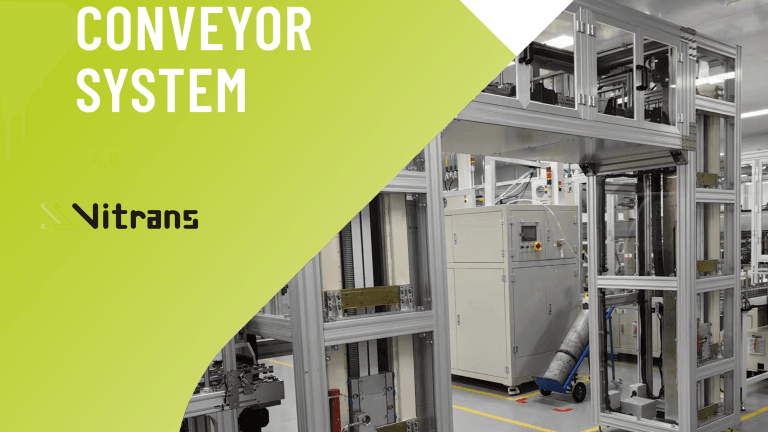
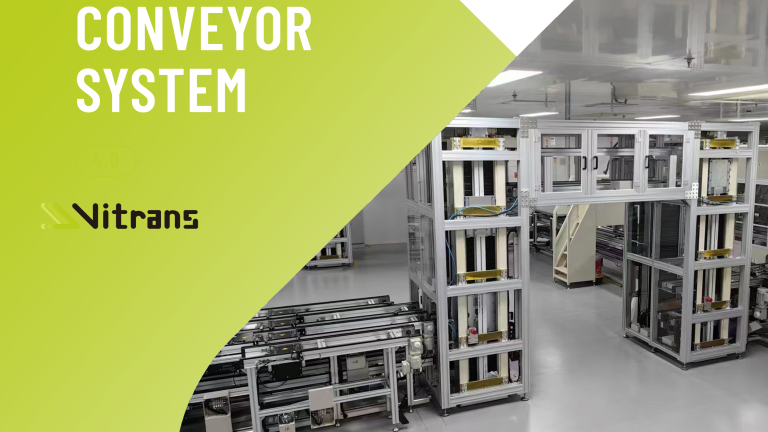
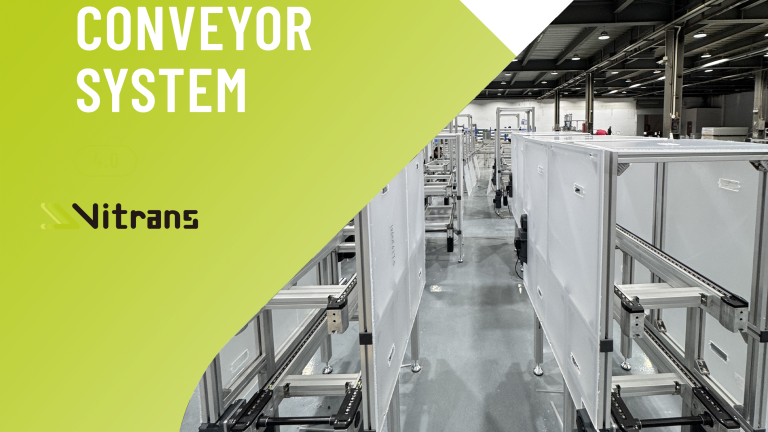
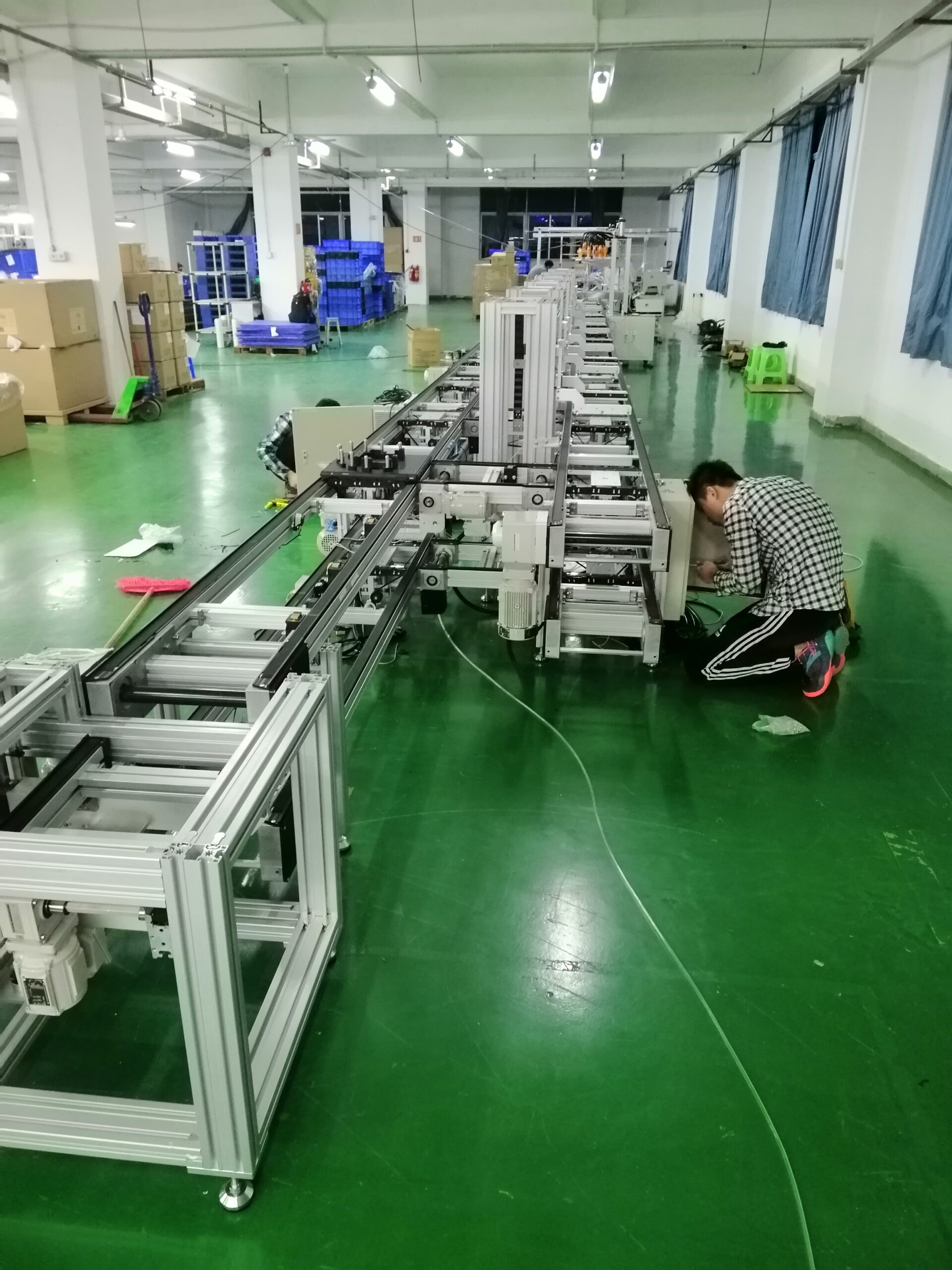
その Vitrans Aerial Conveying System is designed to transport materials in an aerial environment, making it ideal for warehouses where ground space is limited. It includes:
- コンベヤベルト
- Pallet lifts
- Automated drive and control systems
Advantages of Vitrans Aerial Conveying System
✔ 効率的: Reduces congestion on warehouse floors.
✔ Flexible: Can be customized to fit various warehouse layouts.
✔ 省スペース: Maximizes overhead space for better storage utilization.
✔ High Safety: Reduces risk of worker injuries and equipment damage.
Applications of Aerial Conveyors
Industrial Warehouses – Moves goods between production and storage areas.
Logistics Centers – Enhances material flow efficiency in busy fulfillment centers.
Construction Sites – Facilitates transport of materials at elevated locations.
Airports & Train Stations – Used for luggage and cargo transportation.
How to Choose the Right Warehouse Conveyor System
Choosing the best conveyor system depends on your business needs, budget, and warehouse layout.
1. Assess Your Material Handling Needs
- What types of products are you moving?
- How heavy are the loads?
- What is the required speed of movement?
2. Consider Space & Layout Constraints
- ~が必要ですか? ground-based or aerial system?
- Does your warehouse have enough space for large conveyors?
3. Budget for Installation & Maintenance
- Upfront cost vs. long-term operational savings.
- Consider エネルギー効率 そして maintenance expenses.
4. Look for Scalable & Automated Solutions
- 「~を選ぶ」 自動コンベヤ if your warehouse handles high order volumes.
- モジュール式システム allow for future expansion.
概要表
| コンベヤの種類 | Cost Range (2025) | おすすめ |
|---|---|---|
| ベルトコンベア | $5,000 – $50,000 | Lightweight material transport |
| ローラーコンベヤ | $10,000 – $100,000 | Pallet transport & bulk materials |
| Aerial Conveying System | $30,000 – $200,000 | High-altitude material handling |
| Automated Conveyor System | $50,000 – $500,000 | Fully automated logistics & distribution centers |
結論
The cost of a warehouse conveyor system in 2025 depends on type, features, and installation complexity. 一方で basic belt conveyors can start at $5,000, 自動化システム can go up to $500,000.
~について warehouses with space constraints, the Vitrans Aerial Conveying System provides an efficient, space-saving, and safe alternative. Investing in the right conveyor system can increase efficiency, reduce labor costs, 、および streamline operations.
Want to improve your warehouse efficiency? Explore Vitrans Aerial Conveying Systems today!