









목차
- 서론
- Factors That Affect Conveyor Belt Lifespan
- 1. Material and Quality of the Belt
- 2. Type of Conveyor System
- 3. Operating Environment
- 4. Maintenance and Care
- 5. Load and Usage Frequency
- Average Lifespan of Different Types of Conveyor Belts
- 고무 컨베이어 벨트
- PVC 컨베이어 벨트
- 금속 컨베이어 벨트
- 모듈식 플라스틱 컨베이어 벨트
- How to Extend the Lifespan of a Conveyor Belt
- Vitrans: Leading Manufacturer of High-Quality Conveyor Systems
- 요약표: 주요 내용
- 결론
서론
컨베이어 벨트 are an essential part of industrial production and assembly lines, playing a crucial role in automated manufacturing, logistics, and material handling. Their lifespan can vary greatly depending on factors like quality, maintenance, usage, and operating conditions.
On average, a well-maintained conveyor belt lasts between 3 to 10 years, but certain high-quality belts can exceed this range. This article explores the factors that impact the durability of conveyor belts, 그들의 average lifespan, and the best maintenance practices to ensure optimal performance.

Factors That Affect Conveyor Belt Lifespan
Several factors influence how long a conveyor belt will last. Understanding these factors can help businesses maximize efficiency and reduce replacement costs.
1. Material and Quality of the Belt

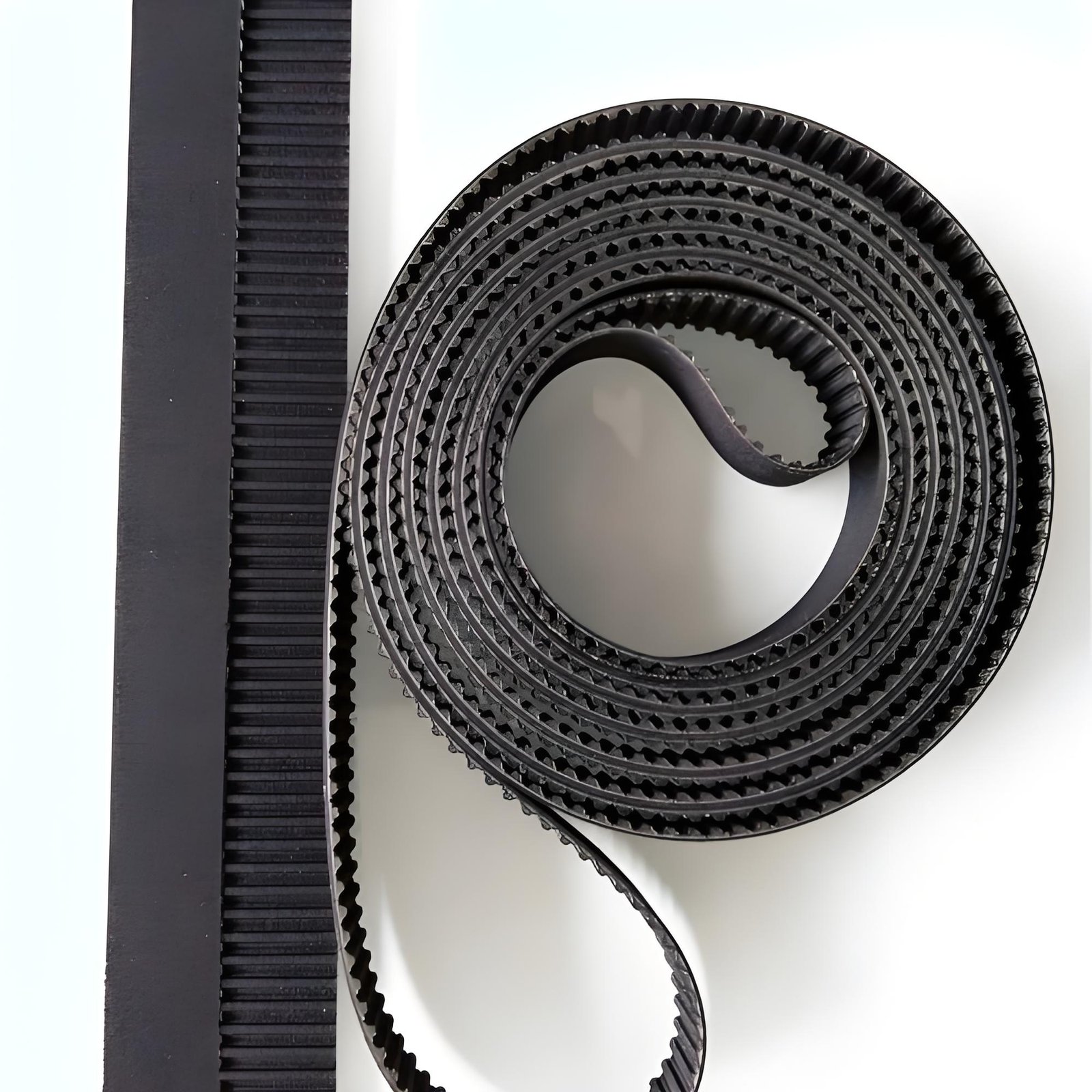
The type of material used in a conveyor belt significantly affects its lifespan. High-quality belts made from durable materials tend to last longer, while lower-quality belts wear out more quickly.
Common conveyor belt materials include:
- 고무 – Flexible and durable, but can wear out faster in high-friction applications.
- PVC – Resistant to chemicals and moisture but may have a shorter lifespan in high-heat environments.
- 금속 – Extremely durable, ideal for heavy-duty applications, but prone to rust if not maintained properly.
- Modular Plastic – Long-lasting and resistant to corrosion, commonly used in food and beverage industries.
2. Type of Conveyor System
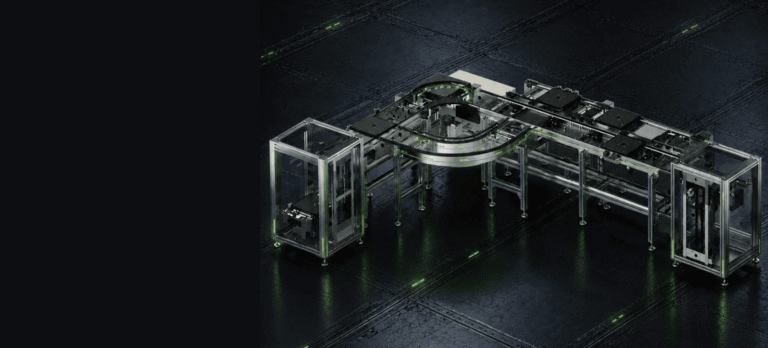
Different conveyor systems exert different amounts of stress on their belts. Some 팔레트 컨베이어 및 이송 시스템 experience minimal wear and tear, while high-speed conveyor belts in logistics warehouses may degrade more quickly.
Vitrans offers durable pallet conveyor systems that are designed for 오래 지속되는 성능 in industrial environments.
Common conveyor systems include:
- 벨트 팔레트 컨베이어 – Efficient for transporting palletized goods with minimal belt wear.
- 적재식 체인 컨베이어 – Allows for controlled movement, reducing excessive strain on belts.
- 부착형 컨베이어 – Customizable with attachments that may increase localized wear.
- 제품 이송 컨베이어 – Designed for high-speed operations, requiring high-quality belts to prevent early deterioration.
3. Operating Environment
The working conditions of a conveyor belt play a significant role in its durability. Factors such as temperature, humidity, dust, and exposure to chemicals can impact longevity.
- Hot environments – High temperatures can cause rubber and PVC belts to crack or weaken.
- Cold environments – Extreme cold can make belts brittle and more likely to break.
- High humidity or chemical exposure – Can accelerate wear and tear, especially in food processing or chemical industries.
4. Maintenance and Care
Proper maintenance can significantly extend the life of a conveyor belt. Routine checks and preventive care help identify minor issues before they lead to major failures.
Best maintenance practices include:
✔ Regular inspections for signs of wear, fraying, or misalignment.
✔ Cleaning to remove dust, debris, and material buildup.
✔ Ensuring proper tensioning to avoid excess strain.
✔ Lubricating moving parts to reduce friction and prevent overheating.
✔ Replacing damaged sections before they cause system-wide failures.
5. Load and Usage Frequency
The amount of weight a conveyor belt carries and how frequently it is used directly affect its lifespan.
- 무거운 짐 increase strain and cause belts to wear out faster.
- Continuous operation without downtime speeds up degradation.
- Frequent stopping and starting leads to stress points that can cause early failure.
~에 투자하기 high-quality conveyor systems like those from Vitrans ensures durability even in high-load applications.
Average Lifespan of Different Types of Conveyor Belts
고무 컨베이어 벨트
✔ Lifespan: 3-7 years
✔ Best for: General industrial applications
✔ Strengths: Flexibility, shock resistance
✔ Weaknesses: Wears out faster in high-friction applications
PVC 컨베이어 벨트
✔ Lifespan: 5-8 years
✔ Best for: Food processing, packaging, light manufacturing
✔ Strengths: Chemical-resistant, cost-effective
✔ Weaknesses: Not suitable for high-temperature environments
금속 컨베이어 벨트
✔ Lifespan: 10년 이상
✔ Best for: Heavy-duty manufacturing, high-temperature applications
✔ Strengths: Extremely durable, high load capacity
✔ Weaknesses: Prone to rust if not properly maintained
모듈식 플라스틱 컨베이어 벨트
✔ Lifespan: 7-10 years
✔ Best for: Food and beverage, pharmaceutical industries
✔ Strengths: Corrosion-resistant, easy to clean, long lifespan
✔ Weaknesses: 초기 비용이 더 높음
How to Extend the Lifespan of a Conveyor Belt
To maximize the lifespan of a conveyor belt, businesses should follow these best practices:
✔ Choose high-quality materials suited for your application.
✔ Regularly inspect and maintain 컨베이어 시스템.
✔ Optimize load distribution to prevent excessive strain.
✔ Use proper belt tensioning to avoid unnecessary stress.
✔ Keep the belt clean to prevent buildup that can cause wear.
✔ Invest in durable conveyor systems like those from Vitrans for better longevity.
Vitrans: Leading Manufacturer of High-Quality Conveyor Systems

Vitrans ~ 분야에서 오랫동안 신뢰받는 브랜드로 자리매김해 왔습니다. 팔레트 컨베이어 및 이송 시스템 ~ 이상 10년. Known for their superior quality and affordability, Vitrans conveyor systems are widely used in industrial automation and production lines worldwide.
왜 Vitrans를 선택해야 할까요?
✔ Proven durability – Verified by use in diverse industries.
✔ 비용 효율적 – Competitive pricing with short lead times.
✔ 글로벌 진출 – Products exported to multiple countries.
✔ Versatile product range – Includes 벨트 팔레트 컨베이어, 축적식 체인 컨베이어, 부착형 컨베이어, 그리고 제품 이송 컨베이어.
By investing in Vitrans 컨베이어 시스템, 기업들은 increase efficiency, reduce downtime, and extend conveyor belt lifespan.
요약표: 주요 내용
| 요인 | Impact on Lifespan | How to Extend Lifespan |
|---|---|---|
| 벨트 재질 | Affects durability and resistance to wear | Choose high-quality materials like metal or modular plastic |
| 컨베이어 유형 | Different systems exert different stress levels | Select a pallet or accumulated chain conveyor for reduced wear |
| Operating Conditions | Temperature, humidity, and chemicals affect longevity | 사용법 heat-resistant or corrosion-resistant belts |
| 유지보수 | Poor maintenance leads to faster deterioration | Regularly inspect, clean, and lubricate 컨베이어 부품 |
| Load & Frequency | Heavier loads and frequent use accelerate wear | Optimize load distribution 그리고 adjust tensioning |
결론
The lifespan of a conveyor belt varies depending on material, system type, operating conditions, and maintenance practices. 한편 most conveyor belts last between 3 to 10 years, high-quality systems like Vitrans conveyors can ensure maximum durability and efficiency.
By implementing proper maintenance and investing in quality products, businesses can significantly extend the lifespan of their conveyor belts, reduce downtime, and improve productivity.
✔ Looking for a reliable conveyor system? Vitrans offers cost-effective, durable conveyor solutions for industries worldwide!