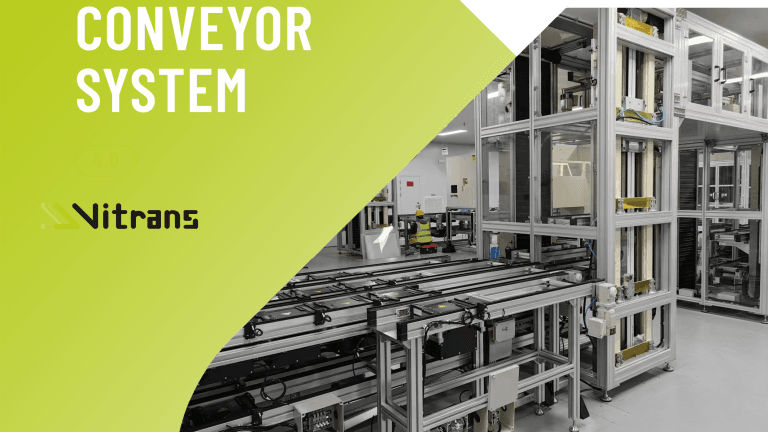
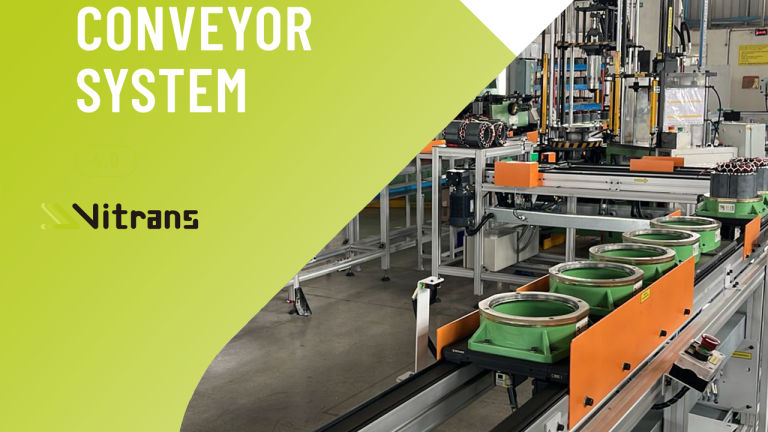
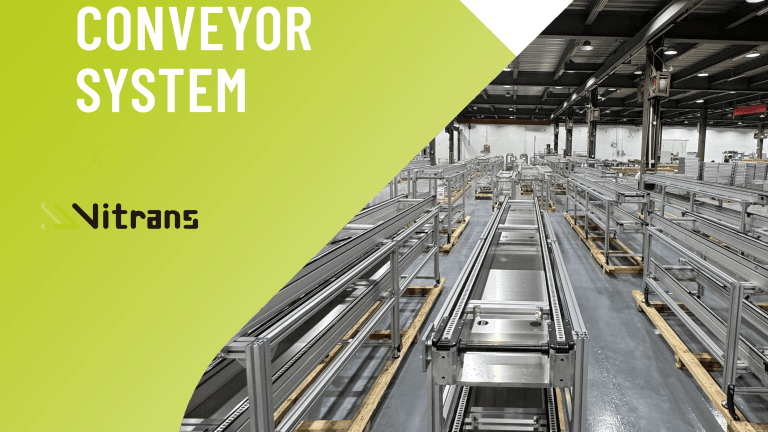
Understand Custom Costs to Avoid Unnecessary Spending
When it comes to upgrading home appliance final assembly lines, the dilemma for most small and medium-sized manufacturers is never whether to install an accumulated chain assembly line. The real headache is that quotes for the same home appliance assembly line can differ by tens of thousands of yuan between suppliers.
Many buyers fixate on the total price and seal the deal quickly — only to find after launch that the line mismatches their process, breaks down frequently, and cannot run multiple product models side by side. The extra costs of later modifications and repairs end up far exceeding the initial savings.
Drawing on years of project delivery experience in home appliance assembly lines, Automasi Vitrans breaks down the custom logic of home appliance final assembly lines from three angles: cost structure, configuration differences and supplier capability. Our goal is to help more manufacturers avoid price traps and select a supplier that truly fits their workshop conditions.
1. Core Pain Points of Home Appliance Final Assembly Lines
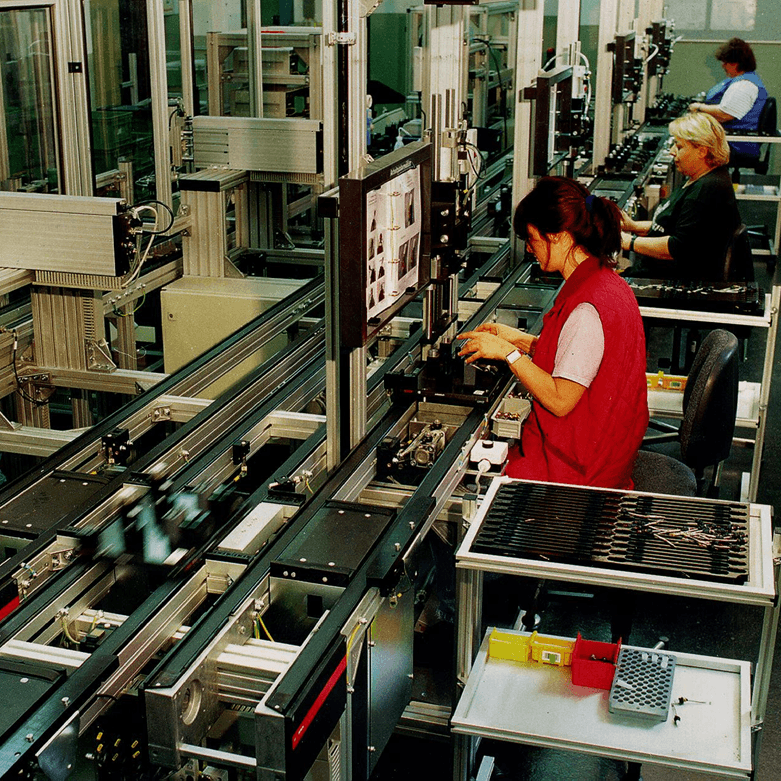
Unlike standardized off-the-shelf conveying equipment, home appliance accumulated chain final assembly lines have no uniform pricing standard.
Small home appliances, kitchen appliances and environmental appliances all differ in product weight, outer dimensions, assembly steps and inspection workflows. Add to that the unique layout of every factory — column positions, aisle widths and capacity plans vary widely. Almost every home appliance final assembly line requires dedicated non-standard design, which is the root cause of the wide price gap between suppliers.
2. Three Types of Custom Conveyor Suppliers: What’s the Real Difference?
Suppliers of home appliance accumulated chain assembly lines generally fall into three categories. Their cost structures differ, and so does the final quality of delivered equipment.
① Standardized Mass-Production Factories
These suppliers focus on general-purpose straight accumulated chain lines, produced in batches with centrally sourced components. Production costs are lower, and base quotes are usually modest.
They only suit home appliance factories with simple working conditions, single-product production and neat workshop layouts. The downside is clear: for complex requirements such as irregular shop layouts, mixed-model production, or functional testing stations, even minor structural changes incur steep extra charges. In the end, total project cost often ends up higher.
Cadangan Produk
-
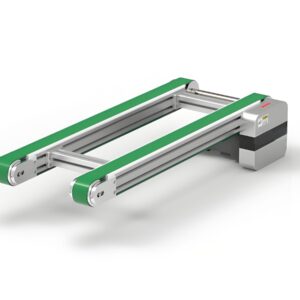
Pengangkut Tali Kembar
-
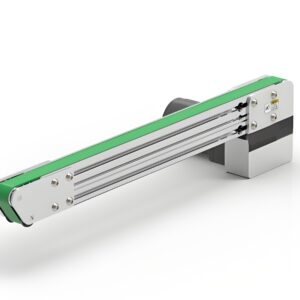
Pengangkut Tali Pinggang Tunggal
-
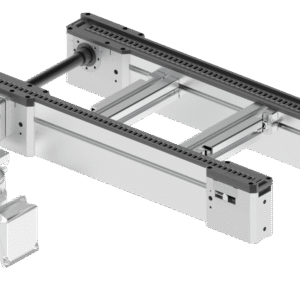
Pengangkut Rantaian Plastik PC2/Pengangkut Palet Rantaian Plastik/Pengangkut Aliran Bebas
-
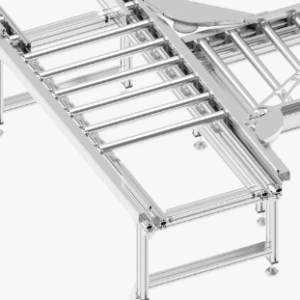
Konveyor Roller Bertindan Tugas Berat
-
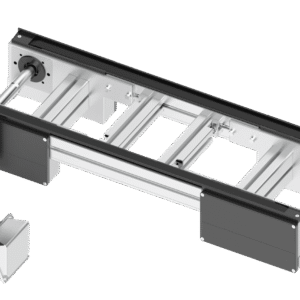
Pengangkut tali rata FC2/Pengangkut Palet Tali Rata
-
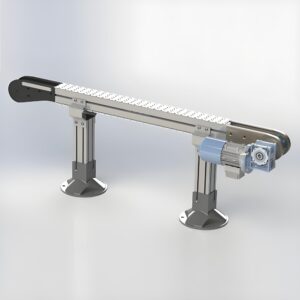
Konveyor Rantai Fleksibel Vitrans
-
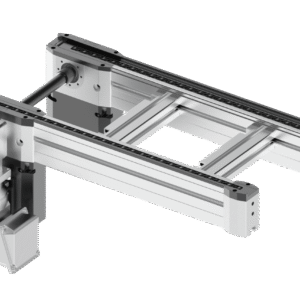
Pengangkut Rantai Terkumpul AC2/Pengangkut Palet Rantai Roller/Pengangkut Aliran Bebas
-
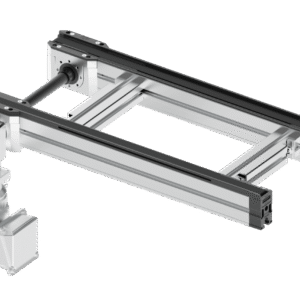
Konveyor Tali Waktu BC2/Konveyor Palet Tali Waktu/Konveyor Aliran Bebas/Konveyor Tali Bergigi
-
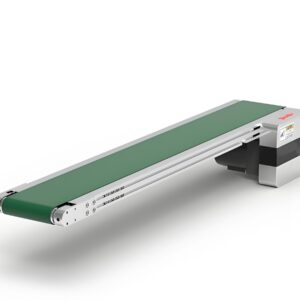
Pengangkut Tali Pinggang Siri Umum
② Small and Medium Custom Workshops
These teams usually lack complete design processes and quality control systems. Most take orders by copying existing drawings, and their main selling point is low price.
They carry no standing raw material stock and only purchase components after receiving an order. Frame wall thickness, chain load capacity and tooling pallet material are quietly downgraded. The equipment has a short service life and frequent downtime, bringing high hidden production costs to the factory.
③ Complex Non-Standard Original Equipment Manufacturers
These factories specialize in higher-difficulty assembly line projects, handle both small and large orders, have strong capital and keep core components in stock year-round.
Automasi Vitrans falls into this category. With more than a decade of R&D and manufacturing experience in conveyor modules, we focus on the R&D, production and sales of automated conveying equipment, delivering stable, reliable conveyor systems and turnkey solutions to simplify procurement and selection for customers.
Unlike ordinary assembly line suppliers, Vitrans does not limit itself to the home appliance industry. We also serve electronics, new energy storage, automotive electronics, servers and other manufacturing sectors, building up extensive project experience in heavy-duty routing, winding line layout, multi-layer integration and mixed-model production.
3. Core Advantages of Vitrans Custom Solutions
In home appliance final assembly line projects, Vitrans does not compete on rock-bottom prices. Our core strengths are controllable costs, site-matched solutions and no hidden extra charges.
For industry challenges such as old workshop retrofitting, column obstruction, winding line routing and mixed-model production of multiple home appliances, we adopt customized sistem konveyor palet solutions. We optimize line layout to match existing production processes without modifying the factory’s original building structure.
Whether it is a short pilot line for small-batch trial production or a large-scale mass-production integrated line, we maintain consistent material standards, process requirements and commissioning specifications. Configurations are never downgraded for smaller orders.
4. Real-World Case Study
Many home appliance companies chase low prices only to end up spending more in the long run. A small home appliance factory in Suzhou manufacturing robotic vacuum cleaners learned this lesson the hard way.
In 2023, the company purchased a low-cost mass-produced accumulated chain assembly line. Within six months of operation, problems piled up:
- The line only supported single-product production and could not adapt to new product launches.
- Tooling pallets lacked positioning structures, leading to persistently high appearance defect rates.
- Workshop columns blocked the line path, causing frequent jams during operation.
Quotes from other suppliers for modification were nearly as expensive as a brand-new line, leaving the company stuck.
Later, they approached Automasi Vitrans to re-customize the line. Based on the dimensions, weights and assembly processes of their three main products, we designed quick-change tooling pallets; adopted a winding line layout to neatly bypass workshop columns and other building obstacles; and reserved upgrade interfaces for future new model launches and capacity expansion.
Project Specifications:
- Combined structure of timing belt and flat belt conveyors
- Total length approx. 70 meters, 30 workstations in total
After implementation, the line supports production of multiple product models, product defect rates dropped noticeably, and long-term maintenance costs are effectively controlled. The on-site results were outstanding.
5. Three Key Rules for Selecting the Right Assembly Line
Many home appliance business owners assume non-standard custom solutions are necessarily more expensive. But over the full equipment lifecycle, a custom line with strong adaptability, upgradeability and stable operation drastically reduces hidden expenses from later modifications, downtime repairs and product scrappage — delivering much higher overall cost performance.
To keep custom costs under control, focus on three points during selection:
- Do not blindly chase the lowest price. Verify core materials in detail: profile wall thickness, chain specifications, tooling pallet material and drive motor brand. Write all parameters into the agreement to prevent suppliers from quietly downgrading specifications.
- Choose configurations to match your capacity plan. Short-term trial production and long-term mass production do not need the same setup. Avoid over-specification that wastes budget, but also avoid under-specification that barely keeps up with production.
- Prioritize modular, upgradeable solutions. Home appliance products iterate quickly. An expandable line greatly reduces future modification costs.
FAQ – Common Questions
1. Why is there such a big quote gap for custom home appliance final assembly lines?
Price differences mainly come from four factors: customization difficulty, core raw materials, solution fit, and the supplier’s technical and after-sales capability. The gap in production cost and technical input between a standard mass-produced line and a complex non-standard line is very significant.
2. Do small and medium enterprises need non-standard customization for home appliance final assembly lines?
If your workshop has a regular layout and you only produce one product, a standard conveyor line is sufficient. If you need mixed-model production, old workshop retrofitting, or integrated testing processes, non-standard customization actually saves money and reduces headaches in the long run.
3. How to avoid hidden extra charges in assembly line customization?
Before cooperation, ask the supplier for a complete bill of materials, construction drawings and acceptance criteria. Put all equipment configurations into the technical agreement — do not rely only on verbal promises.
Penutupan
Every home appliance factory has different workshop conditions, product ranges and capacity plans. There is no perfect one-size-fits-all assembly line solution — only the solution that best fits your own production needs.
Low-cost mass-produced lines suit simple single-product scenarios. Complex non-standard custom lines are better suited to mixed-model production, old workshop retrofitting and high-capacity mass manufacturing. Companies can weigh their options rationally based on their actual situation.
If you need production line layout planning and a project quotation, feel free to contact Vitrans at any time.