










Содержание
- Введение
- Understanding Conveyor Belt Splicing
- Factors to Consider When Choosing a Splice
- Best Splicing Methods for Conveyor Belts
- 1. Mechanical Fastener Splicing
- 2. Vulcanized Splicing
- 3. Cold Bond Splicing
- 4. Finger Splicing
- 5. Step Splicing
- Comparing Conveyor Belt Splicing Methods
- Vitrans: Your Trusted Conveyor System Partner
- Maintenance Tips for Spliced Conveyor Belts
- Сводная таблица
- Заключение
Введение
Conveyor belt splicing is a crucial process in ensuring the durability, efficiency, and performance of conveyor systems. Choosing the best splice method depends on several factors, including belt type, operating conditions, and load requirements.
In this guide, we will discuss the best splicing methods for conveyor belts, their advantages and disadvantages, and how to maintain spliced belts for long-term reliability.

Understanding Conveyor Belt Splicing
Conveyor belt splicing is the process of joining two ends of a conveyor belt to ensure smooth material handling. A proper splice enhances the belt’s durability and prevents operational failures, such as slippage or misalignment.
There are two main categories of splicing techniques:
- Mechanical Splicing – Uses metal fasteners or clips to join the belt.
- Vulcanized Splicing – Uses heat and pressure (hot or cold vulcanization) for a seamless joint.
Each method has its own pros and cons, and the choice depends on the industry, belt type, and operational requirements.
Factors to Consider When Choosing a Splice
Before selecting a splicing method, consider the following:
✔ Материал ремня: Different belts (резина, ПВХ, fabric-reinforced) require different splicing techniques.
✔ Operating Conditions: High temperatures, humidity, and chemical exposure impact splice longevity.
✔ Load and Tension: Heavy loads and high tension require stronger splice joints.
✔ Downtime Constraints: Some methods require more time to install than others.
✔ Стоимость: Initial investment and long-term maintenance should be considered.
Best Splicing Methods for Conveyor Belts
1. Mechanical Fastener Splicing
Best for quick repairs and temporary solutions
How it works:
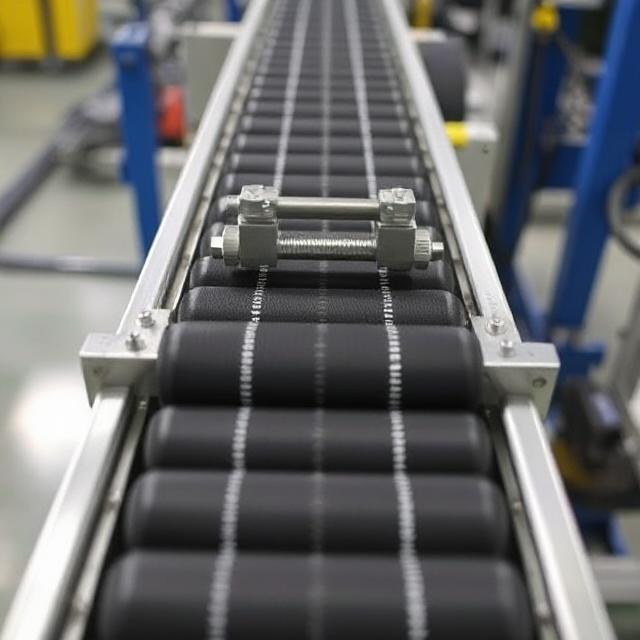
Mechanical splicing uses metal fasteners (such as bolts or clips) to join the belt ends.
✔ Преимущества:
- Quick and easy to install
- Ideal for emergency repairs
- Works on thick and worn-out belts
❌ Disadvantages:
- Less durable than vulcanized splicing
- Can cause belt wear due to metal exposure
2. Vulcanized Splicing

Best for long-lasting, high-strength joints
How it works:
Vulcanized splicing uses heat and pressure (hot vulcanization) or chemical bonding (cold vulcanization) to create a seamless splice.
✔ Преимущества:
- Provides a strong, durable joint
- Reduces chances of splice failure
- Maintains belt flexibility
❌ Disadvantages:
- Requires specialized equipment
- Takes longer to install
3. Cold Bond Splicing

Best for belts exposed to chemicals or high temperatures
How it works:
Cold bond splicing uses adhesives instead of heat to bond the belt ends.
✔ Преимущества:
- Easier than hot vulcanization
- Suitable for temperature-sensitive belts
- Strong and flexible joint
❌ Disadvantages:
- Adhesive bonding may weaken over time
- Not as durable as hot vulcanization
4. Finger Splicing

Best for lightweight and medium-duty conveyor belts
How it works:
The belt ends are cut into interlocking “fingers” and bonded together using hot vulcanization.
✔ Преимущества:
- Smooth, seamless joint
- Maintains belt flexibility
- Reduces material hang-ups
❌ Disadvantages:
- Requires precise cutting and equipment
- Time-consuming compared to mechanical splicing
5. Step Splicing
Best for heavy-duty belts with high tension
How it works:
The belt ends are cut into steps and joined using hot vulcanization.
✔ Преимущества:
- Stronger than mechanical splicing
- Works well for high-tension applications
- Evenly distributes load across the belt
❌ Disadvantages:
- Requires skilled labor
- More expensive than other methods
Comparing Conveyor Belt Splicing Methods
| Splicing Method | Долговечность | Installation Time | Стоимость | Оптимальный вариант применения |
|---|---|---|---|---|
| Mechanical Fastener | Средний | Fast | Низкий | Emergency repairs |
| Hot Vulcanization | Высокий | Slow | Высокий | Heavy-duty belts |
| Cold Bond Splicing | Средний | Умеренный | Средний | Temperature-sensitive belts |
| Finger Splicing | Высокий | Slow | Высокий | Flexible, seamless joints |
| Step Splicing | Очень высокий | Slow | Высокий | Heavy loads, high tension |
Vitrans: Your Trusted Conveyor System Partner

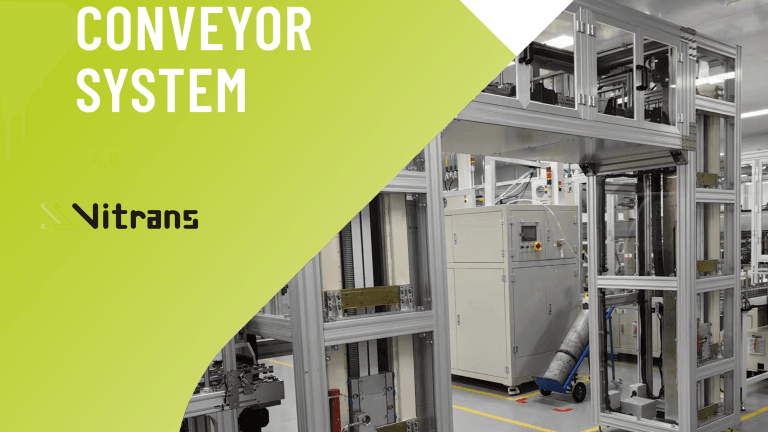
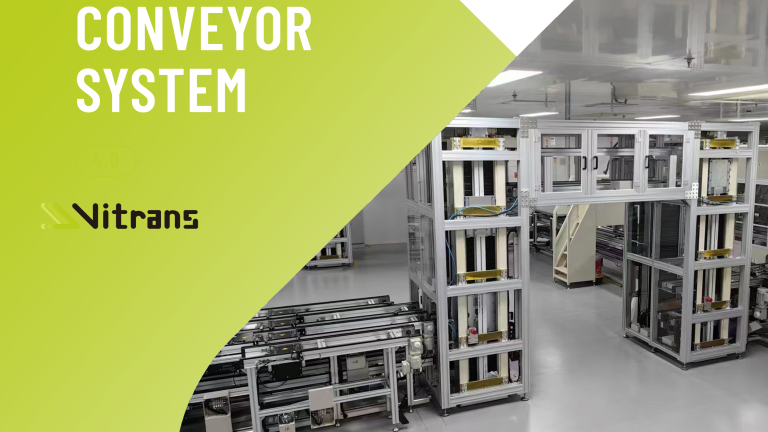
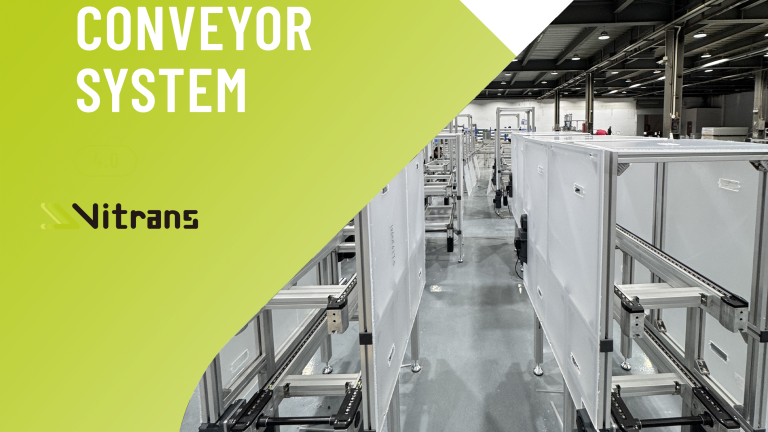
Vitrans is the leading manufacturer in pallet conveyors and pallet transfer systems for over 10 years. Our conveyor systems are widely used in industrial automated production and assembly lines.
Почему стоит выбрать Vitrans?
✔ High-Quality Conveyor Systems: Verified for industrial applications.
✔ Конкурентоспособные цены: Benefiting from China’s rich supply chain resources.
✔ Быстрая доставка: Short lead times for global customers.
Our Products:
- Ленточный конвейер для поддонов
- Цепной конвейер с накоплением
- Конвейер для прикрепления
- Конвейер для перемещения продукции
Maintenance Tips for Spliced Conveyor Belts
To maximize the lifespan of spliced conveyor belts, follow these maintenance tips:
✔ Regular Inspection: Check for signs of wear, cracks, or misalignment.
✔ Keep the Belt Clean: Dirt and debris can weaken the splice.
✔ Monitor Tension Levels: Over-tensioning can cause splice failure.
✔ Lubricate Moving Parts: Reduce friction to extend belt life.
✔ Replace Worn Splices Promptly: Prevent unexpected breakdowns.
Сводная таблица
| Splicing Method | Идеально подходит для | Pros | Cons |
|---|---|---|---|
| Mechanical Fastener | Temporary fixes | Quick, easy to install | Less durable |
| Hot Vulcanization | Heavy-duty belts | Strong, seamless joint | Expensive, time-consuming |
| Cold Bond Splicing | Chemical-resistant belts | No heat required, flexible | Adhesive may weaken over time |
| Finger Splicing | Medium-duty belts | Smooth finish, flexible | Requires precision |
| Step Splicing | High-tension belts | Very strong, durable | Skilled labor required |
Заключение
Choosing the best splice method for a conveyor belt depends on your specific application needs. Vulcanized splicing offers superior durability, while mechanical fasteners are great for quick repairs. Cold bond, finger, and step splicing each serve unique purposes based on belt type and operational demands.
For high-quality конвейеры для поддонов и системы перемещения, Vitrans is your trusted partner. Our durable, cost-effective solutions are designed to enhance industrial automation. Contact us today for the best conveyor system solutions!