3C products iterate fast. A single model changeover can take hours of line tuning; with dozens of workstations, even a few conveyor-related stoppages per day can translate to six-figure capacity losses — not to mention hidden quality risks. To avoid disorganized workflows, inflexible lines and stuck capacity, getting the conveyor selection right is the critical first step.
Today, Vitrans Automation breaks down the application of automated pallet conveyor systems, showing how they directly address on-site pain points in 3C manufacturing: cutting production costs, lifting yield, and enabling faster market response — delivering a truly actionable solution for a factory’s intelligent manufacturing transformation.
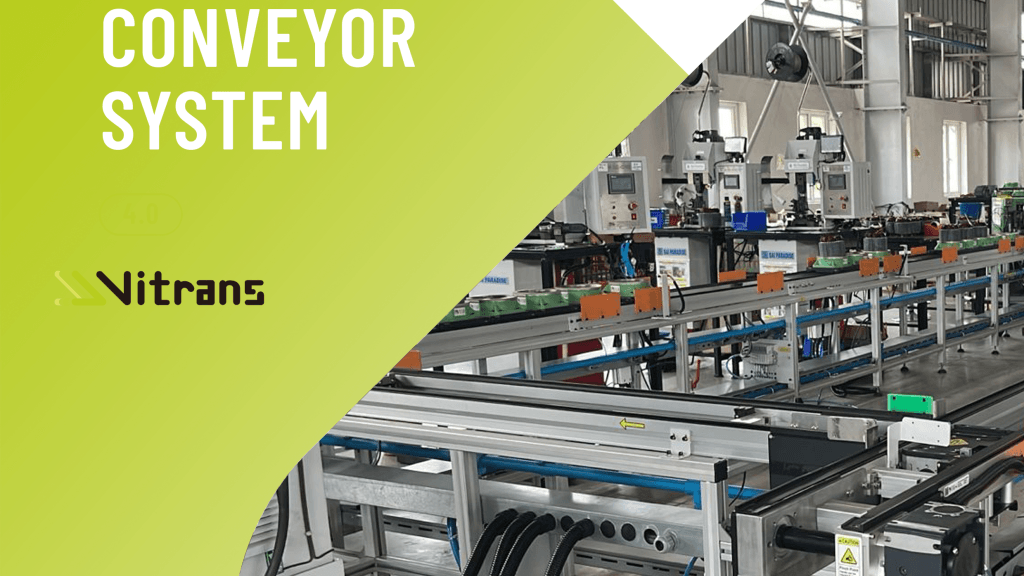
1. What Are the Operational Bottlenecks in 3C Production Lines?
3C products demand micron-level precision. With rapid product updates and high requirements for mixed-model production, legacy conveyor solutions often leave factories stuck in a dilemma: efficiency cannot rise, costs cannot fall, and quality is hard to guarantee.
Disorganized process flow and mismatched station tact cause frequent material waiting and pile-ups, dragging down output. Inflexible line layouts mean major reworks every time a new product launches or a process changes — raising upgrade costs and slowing market response.
Add in poorly designed tooling that causes unstable workpiece transport and unexpected damage, and overall production costs creep higher.
These accumulated issues become major barriers for 3C factories moving toward precision and intelligent manufacturing. Optimizing the conveying link is therefore a critical step in the smart transformation journey.
2. How Pallet Conveyor Lines Solve These Pain Points
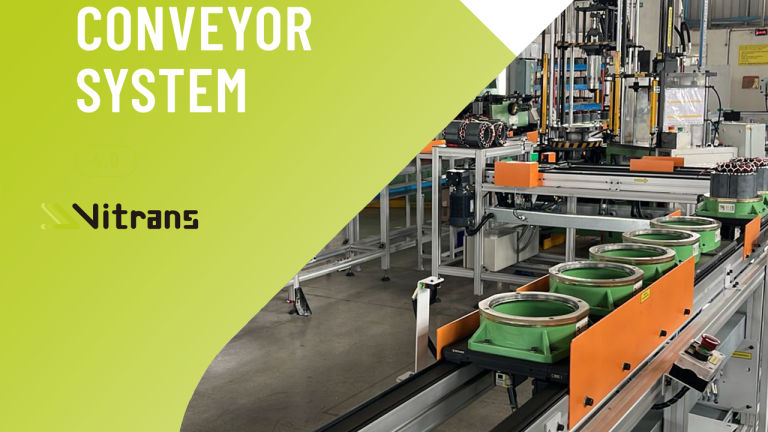
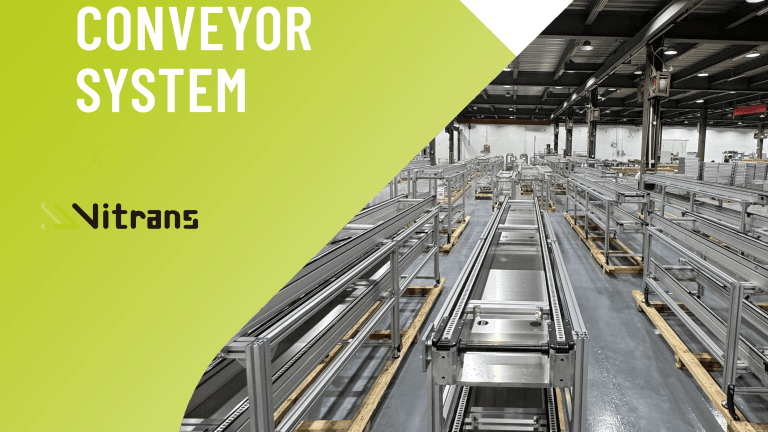
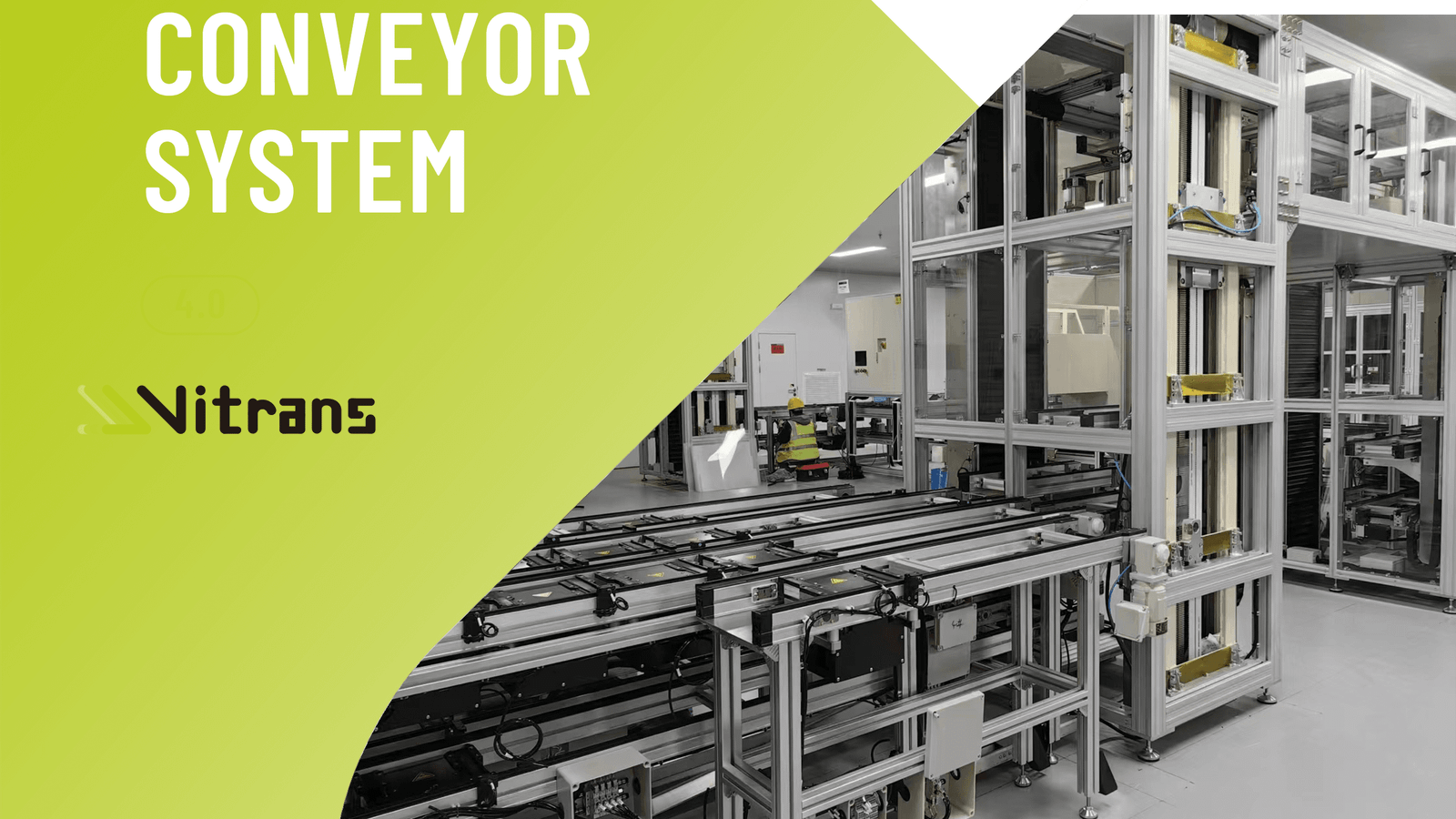
Automated системы конвейеров для поддонов are built on proven modular design. Timing belt, accumulated chain and flat belt units can be flexibly combined, paired with standard modules like lift-and-locate units, transfer units and curve sections. They satisfy both high-volume production and precision machining, suitable for consumer electronics, smart hardware and telecom equipment assembly.
- Modular assembly, no full-scale factory overhaul. The entire system is built from modular sections. When products or processes change, you only add or remove a few modules instead of rebuilding the whole line. This saves retrofit costs and speeds up changeover — switching from Product A to Product B can be done smoothly within a short window.
- Industrial aluminum profile frame with ESD pallets. The main frame uses wear-resistant, lightweight industrial aluminum profiles for long non-stop continuous operation. Paired with anti-static pallets, it meets the clean-environment requirements of 3C components.
- Simple, practical structure with easy maintenance. Component specifications are standardized for straightforward day-to-day upkeep. Combined with comprehensive after-sales support, long-term maintenance pressure on the factory is greatly reduced.
- Excellent pallet station positioning. Positioning accuracy can reach ±0.05 mm in certain configurations. Pallets stop steadily, making the handover between upstream and downstream processes smoother. Load capacity is also flexibly adjustable — covering everything from lightweight electronic parts to larger workpieces like server chassis for broad, convenient usability.
-
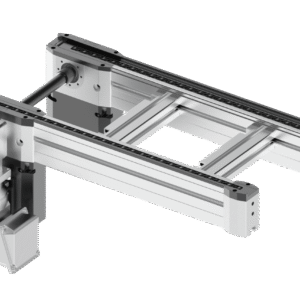
AC2 — конвейер с накопительной цепью / роликовый цепной паллетный конвейер / конвейер свободного потока
-
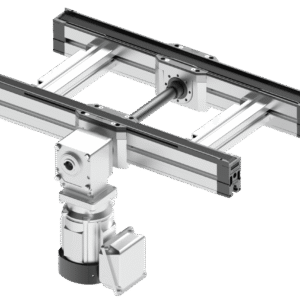
BC2/M Конвейер с зубчатым ремнем / Конвейер для поддонов с зубчатым ремнем / Конвейер свободного потока / Конвейер с зубчатым ремнем
-
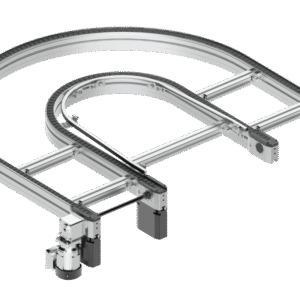
CV/180-градусный поворот цепного конвейера с плоской верхней частью
-
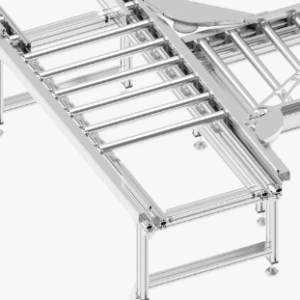
Сверхпрочный штабелируемый роликовый конвейер
-
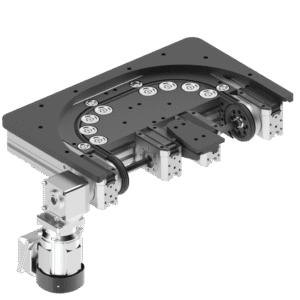
KV/180-градусный поворот ленточного конвейера
-
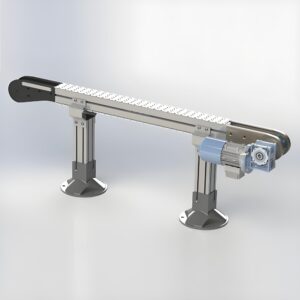
Гибкий цепной конвейер Vitrans
3. Real Cases: On-Site Results
This pallet conveying solution has been deployed in multiple 3C-related projects. Feedback from real production floors confirms it effectively improves existing pain points and raises both efficiency and quality.
① Server Assembly Project
A combination of belt conveyors and накопительные цепные конвейеры realizes mixed pallet conveying. One line produces 6 different server models covering both 1U and 2U form factors. An upper-lower return layout maximizes floor space utilization. Pallet-based component flow cuts changeover tuning time, greatly reduces manual handling and lowers the risk of component collision damage.
② Service Robot Full-Line Assembly Project
Total length approx. 600 meters, split into 10 modular accumulated chain pallet conveyor sections. The line covers robot head assembly, left/right arm assembly, final assembly, burn-in testing and packaging. Final assembly stations support approx. 90 kg per pallet, with precise positioning via lifting mechanisms. It largely replaces manual handling, supports long-term stable mass production, and is simple to maintain — delivering tangible benefits and raising the factory’s smart manufacturing hardware level.
③ Consumer Electronics Assembly Line
For hair dryer products, a combined timing-belt + flat-belt pallet conveying solution is used. The 90‑meter line has 34 workstations. Pallets enable workpiece circulation return, balancing process tact across stations. Less manual contact with products effectively controls defect rates, making it well suited for small-batch, multi-batch flexible production scheduling.
4. Common Selection Questions, Answered
Q1: How do I choose the right automated conveying equipment? A: The main factors are production process, product characteristics, equipment compatibility and overall cost performance.
Q2: Is the upfront investment in an automated production line high? A: It depends on line scale and equipment type. Generally the initial investment is notable, but over the long term, operating costs drop significantly.
Q3: How do I evaluate the current efficiency of an automated production line? A: Indicators such as output volume, failure rate and resource utilization give a clear picture of efficiency level.
Q4: How do I know if a production line retrofit is worthwhile? A: Technology and markets keep changing. Timely line upgrades are necessary to avoid falling behind competitors.
5. Vitrans One-Stop Service
For more than a decade, Vitrans Automation has been a globally leading equipment supplier in intelligent conveying. We develop and customize pallet conveyor systems — including accumulated chain, roller and flexible chain types — plus matching conveyor modules and spare parts for customers across industries. We provide one-stop service from R&D and manufacturing to after-sales support.
Built on years of hands-on experience, Vitrans has delivered successful projects in Germany, Austria, Hungary, Portugal, the USA and India, earning recognition for both capability and reputation.