









Inhaltsverzeichnis
- Einleitung
- Understanding PVC and Rubber Conveyor Belts
- What is a PVC Conveyor Belt?
- What is a Rubber Conveyor Belt?
- Key Differences Between PVC and Rubber Conveyor Belts
- Materialzusammensetzung
- Durability and Strength
- Flexibility and Elasticity
- Resistance to Chemicals and Moisture
- Temperaturbeständigkeit
- Maintenance and Lifespan
- Cost Considerations
- Best Applications for PVC and Rubber Conveyor Belts
- Vitrans: High-Quality Conveyor Systems
- Fazit
- Übersichtstabelle
Einleitung
When choosing a conveyor belt for industrial production, manufacturing, logistics, or material handling, two of the most common materials are PVC (Polyvinylchlorid) and rubber. Both have their strengths and weaknesses, making it crucial to understand which is better suited for your application.
In this article, we will compare PVC and rubber conveyor belts, highlight their differences, and help you determine the best option for your needs.
Understanding PVC and Rubber Conveyor Belts
What is a PVC Conveyor Belt?
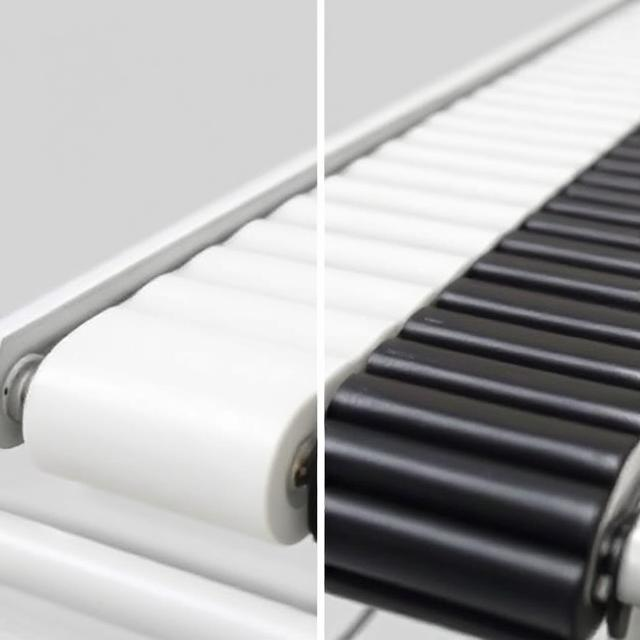
A PVC conveyor belt is made from synthetic plastic polymer (Polyvinyl Chloride) and reinforced with polyester fabric. It is widely used in industries where light to medium loads are transported.
Key Features of PVC Conveyor Belts:
- Lightweight and flexible
- Kostengünstig compared to rubber belts
- Resistant to chemicals and moisture
- Smooth or textured surface options
What is a Rubber Conveyor Belt?
A Gummiförderband is made from natural or synthetic rubber and reinforced with fabric or steel cords. It is commonly used in heavy-duty industries where high impact and abrasion resistance are required.
Key Features of Rubber Conveyor Belts:
- High durability and strength
- Excellent resistance to heat and heavy loads
- Flexible and absorbs shocks effectively
- Suitable for rough and abrasive materials
Key Differences Between PVC and Rubber Conveyor Belts
Materialzusammensetzung
- PVC belts are made of synthetic plastic materials, making them lighter und mehr affordable.
- Rubber belts are made from natural or synthetic rubber, which provides better durability und Flexibilität.
Durability and Strength
- Gummiförderbänder sind stronger and more durable, making them suitable for Anwendungen im Schwerlastbereich such as mining and construction.
- PVC conveyor belts sind suitable for lighter applications, such as food processing and packaging.
Flexibility and Elasticity
- Rubber belts sind more elastic, allowing them to handle high-impact loads and heavy materials.
- PVC belts sind less flexible, but they perform well in applications requiring straight-line transportation.
Resistance to Chemicals and Moisture
- PVC belts sind highly resistant to chemicals, oils, and moisture, making them ideal for food processing, pharmaceuticals, and packaging industries.
- Rubber belts can absorb moisture over time and may not be as resistant to certain chemicals as PVC belts.
Temperaturbeständigkeit
- Gummiförderbänder perform well in Umgebungen mit hohen Temperaturen, such as foundries and heavy manufacturing industries.
- PVC conveyor belts can degrade under high heat, making them less suitable for extreme temperature applications.
Maintenance and Lifespan
- Rubber belts erfordern more maintenance, but they last longer under heavy loads.
- PVC belts erfordern less maintenance but may wear out faster in demanding environments.
Cost Considerations
- PVC belts sind günstiger und easier to install, making them a budget-friendly choice for light-duty applications.
- Rubber belts sind teurer, but their longer lifespan can justify the higher initial cost.
Best Applications for PVC and Rubber Conveyor Belts
| Industry/Application | Best Choice | Reason |
|---|---|---|
| Food Processing & Packaging | PVC-Förderband | Resistant to moisture and chemicals, easy to clean |
| Mining & Heavy Industry | Gummi-Förderband | Durable, strong, and resistant to impact and abrasion |
| Logistik und Lagerhaltung | PVC-Förderband | Lightweight, cost-effective, and smooth for efficient transport |
| Fertigungs- und Montagelinien | PVC or Rubber (Depends on load) | PVC for lighter loads, rubber for heavier loads |
| Automotive Industry | Gummi-Förderband | Handles high temperatures and heavy parts |
| Recycling und Abfallwirtschaft | Gummi-Förderband | Withstands sharp objects and heavy loads |
Vitrans: High-Quality Conveyor Systems
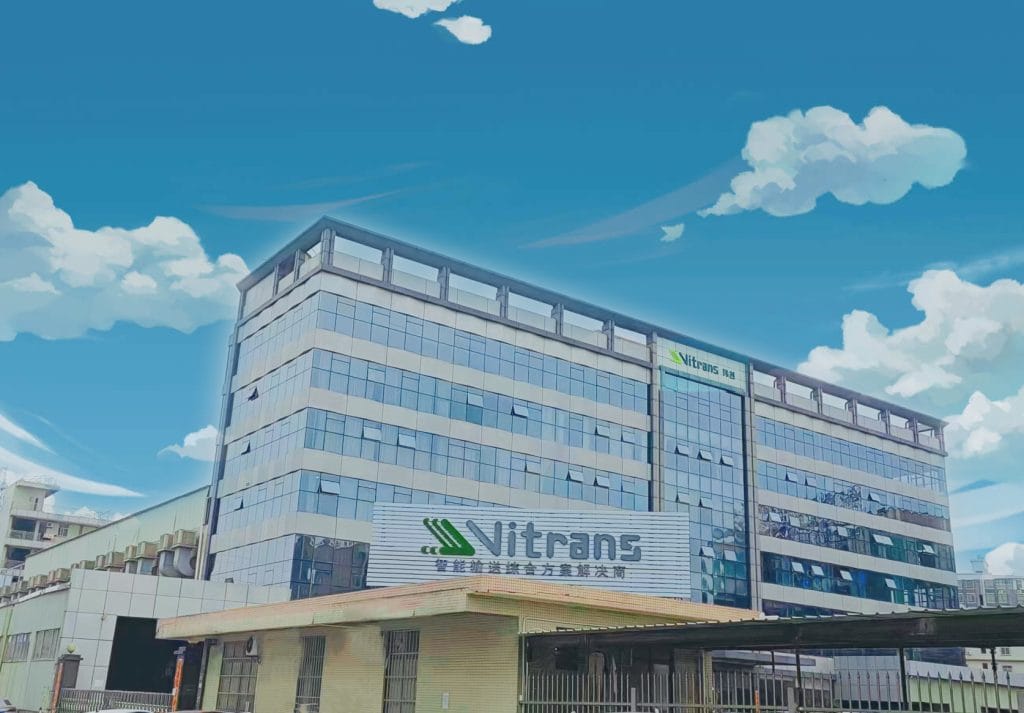
Vitrans ist ein führender Hersteller von Palettenförderern und Palettenfördersysteme, mit über 10 Jahre Erfahrung in the industry.
Warum sollten Sie sich für Vitrans-Fördersysteme entscheiden?
✔ Bewährte Qualität: Our conveyor systems are used in verschiedene automatisierte Produktions- und Montagelinien in der Industrie weltweit.
✔ Wettbewerbsfähige Preise: Thanks to our rich supply chain resources in China, we offer kostengünstige Lösungen.
✔ Schnelle Lieferung: Short lead times for both standard and custom conveyor systems.
✔ Weltweiter Export: Our products are exported to multiple countries.
Vitrans Conveyor System Products:
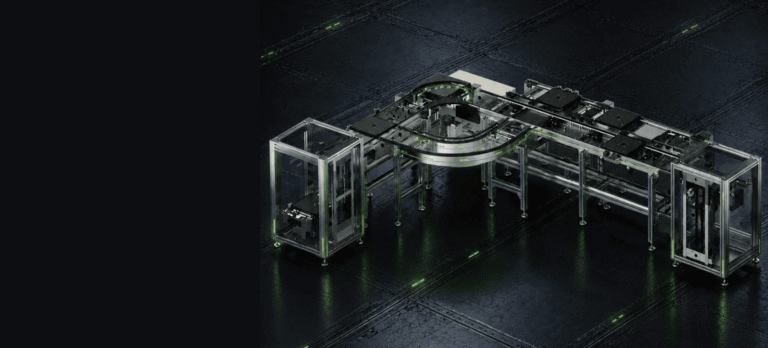
- Hängefördersysteme (vertikal)
- Horizontale Förderbandsysteme mit Umlaufbetrieb
- Mehrstufige Fördersysteme
- Nebeneinander angeordnete Fördersysteme
Mit Vitrans’ expertise in conveyor systems, businesses can achieve greater efficiency and productivity with the right belt choice.
Fazit
Choosing between a PVC and rubber conveyor belt depends on the specific needs of your industry.
- For light-duty applications (e.g., food, packaging, logistics), PVC conveyor belts are a cost-effective and reliable choice.
- For heavy-duty applications (e.g., mining, construction, recycling), rubber conveyor belts offer greater durability and resistance to wear and tear.
Mit Vitrans’ high-quality conveyor systems, businesses can select the best conveyor belt to optimize their production and material handling processes.
Übersichtstabelle
| Funktion | PVC-Förderband | Gummi-Förderband |
|---|---|---|
| Material | Synthetic Plastic | Natural or Synthetic Rubber |
| Haltbarkeit | Mittel | Hoch |
| Stärke | Light to Medium Loads | Heavy Loads |
| Flexibilität | Less Flexible | Highly Flexible |
| Chemikalienbeständigkeit | Hoch | Mäßig |
| Moisture Resistance | Hoch | Can Absorb Moisture |
| Temperaturbeständigkeit | Niedrig | Hoch |
| Wartung | Niedrig | Mittel bis hoch |
| Kosten | Lower | Higher |
| Am besten geeignet für | Food, Packaging, Logistics | Mining, Recycling, Heavy Industry |
By understanding these key differences, businesses can make an informed decision when selecting a conveyor belt for their needs.