








목차
- 서론
- Understanding PVC and Rubber Conveyor Belts
- What is a PVC Conveyor Belt?
- What is a Rubber Conveyor Belt?
- Key Differences Between PVC and Rubber Conveyor Belts
- 재료 구성
- Durability and Strength
- Flexibility and Elasticity
- Resistance to Chemicals and Moisture
- 내열성
- Maintenance and Lifespan
- Cost Considerations
- Best Applications for PVC and Rubber Conveyor Belts
- Vitrans: High-Quality Conveyor Systems
- 결론
- 요약표
서론
When choosing a conveyor belt for industrial production, manufacturing, logistics, or material handling, two of the most common materials are PVC (폴리염화비닐) and rubber. Both have their strengths and weaknesses, making it crucial to understand which is better suited for your application.
In this article, we will compare PVC and rubber conveyor belts, highlight their differences, and help you determine the best option for your needs.
Understanding PVC and Rubber Conveyor Belts
What is a PVC Conveyor Belt?
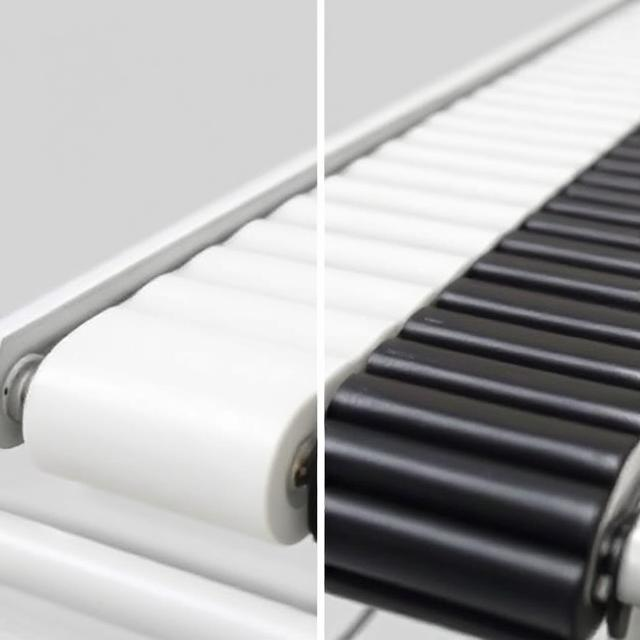
A PVC conveyor belt is made from synthetic plastic polymer (Polyvinyl Chloride) and reinforced with polyester fabric. It is widely used in industries where light to medium loads are transported.
Key Features of PVC Conveyor Belts:
- Lightweight and flexible
- 비용 효율적 compared to rubber belts
- Resistant to chemicals and moisture
- Smooth or textured surface options
What is a Rubber Conveyor Belt?
A 고무 컨베이어 벨트 is made from natural or synthetic rubber and reinforced with fabric or steel cords. It is commonly used in heavy-duty industries where high impact and abrasion resistance are required.
Key Features of Rubber Conveyor Belts:
- High durability and strength
- Excellent resistance to heat and heavy loads
- Flexible and absorbs shocks effectively
- Suitable for rough and abrasive materials
Key Differences Between PVC and Rubber Conveyor Belts
재료 구성
- PVC belts are made of synthetic plastic materials, making them lighter 그 밖에도 affordable.
- Rubber belts are made from natural or synthetic rubber, which provides better durability 그리고 유연성.
Durability and Strength
- 고무 컨베이어 벨트 는 stronger and more durable, making them suitable for 고부하 용도 such as mining and construction.
- PVC conveyor belts 는 suitable for lighter applications, such as food processing and packaging.
Flexibility and Elasticity
- Rubber belts 는 more elastic, allowing them to handle high-impact loads and heavy materials.
- PVC belts 는 less flexible, but they perform well in applications requiring straight-line transportation.
Resistance to Chemicals and Moisture
- PVC belts 는 highly resistant to chemicals, oils, and moisture, making them ideal for food processing, pharmaceuticals, and packaging industries.
- Rubber belts can absorb moisture over time and may not be as resistant to certain chemicals as PVC belts.
내열성
- 고무 컨베이어 벨트 perform well in 고온 환경, such as foundries and heavy manufacturing industries.
- PVC conveyor belts ~할 수 있다 degrade under high heat, making them less suitable for extreme temperature applications.
Maintenance and Lifespan
- Rubber belts 필요 more maintenance, but they last longer under heavy loads.
- PVC belts 필요 less maintenance but may wear out faster in demanding environments.
Cost Considerations
- PVC belts 는 더 저렴한 그리고 easier to install, making them a budget-friendly choice for light-duty applications.
- Rubber belts 는 더 비싸다, but their longer lifespan can justify the higher initial cost.
Best Applications for PVC and Rubber Conveyor Belts
| Industry/Application | Best Choice | Reason |
|---|---|---|
| Food Processing & Packaging | PVC 컨베이어 벨트 | Resistant to moisture and chemicals, easy to clean |
| Mining & Heavy Industry | 고무 컨베이어 벨트 | Durable, strong, and resistant to impact and abrasion |
| 물류 및 창고 관리 | PVC 컨베이어 벨트 | Lightweight, cost-effective, and smooth for efficient transport |
| 제조 및 조립 라인 | PVC or Rubber (Depends on load) | PVC for lighter loads, rubber for heavier loads |
| Automotive Industry | 고무 컨베이어 벨트 | Handles high temperatures and heavy parts |
| 재활용 및 폐기물 관리 | 고무 컨베이어 벨트 | Withstands sharp objects and heavy loads |
Vitrans: High-Quality Conveyor Systems
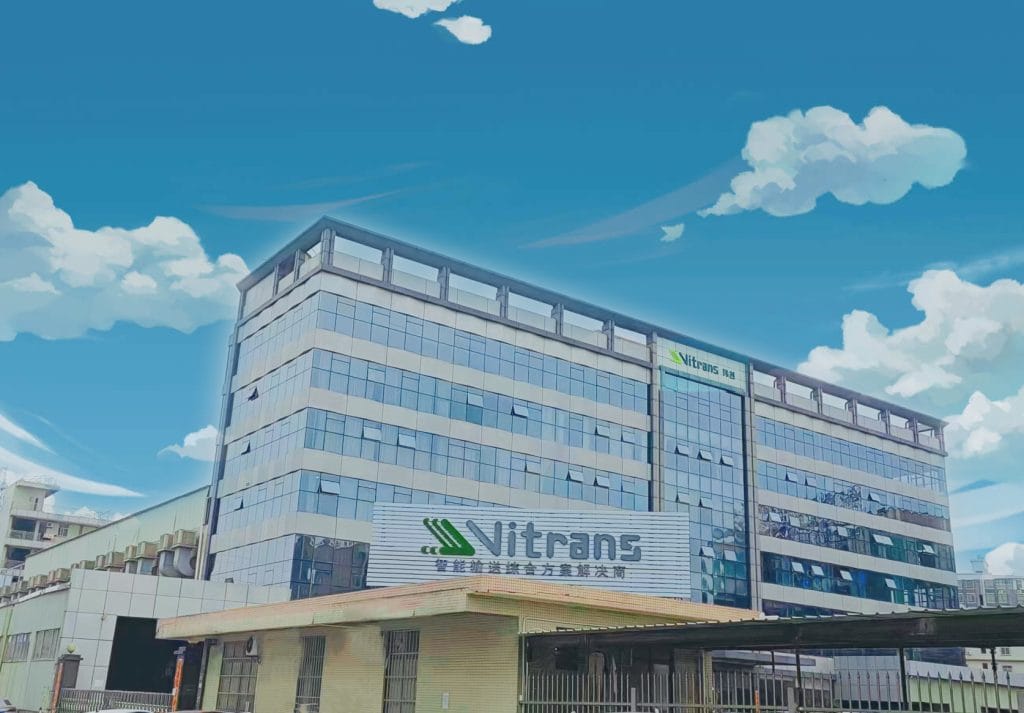
Vitrans 는 leading manufacturer of pallet conveyors and 팔레트 이송 시스템, ○○명 이상이 10년의 경력 in the industry.
왜 Vitrans 컨베이어 시스템을 선택해야 할까요?
✔ 검증된 품질: Our conveyor systems are used in 다양한 산업용 자동화 생산 및 조립 라인 worldwide.
✔ 경쟁력 있는 가격: Thanks to our rich supply chain resources in China, we offer 비용 효율적인 솔루션.
✔ 빠른 배송: Short lead times for both standard and custom conveyor systems.
✔ 글로벌 수출: Our products are exported to multiple countries.
Vitrans Conveyor System Products:
~와 함께 Vitrans’ expertise in conveyor systems, businesses can achieve greater efficiency and productivity with the right belt choice.
결론
Choosing between a PVC and rubber conveyor belt depends on the specific needs of your industry.
- For light-duty applications (e.g., food, packaging, logistics), PVC conveyor belts are a cost-effective and reliable choice.
- For heavy-duty applications (e.g., mining, construction, recycling), rubber conveyor belts offer greater durability and resistance to wear and tear.
~와 함께 Vitrans’ high-quality conveyor systems, businesses can select the best conveyor belt to optimize their production and material handling processes.
요약표
| 주요 기능 | PVC 컨베이어 벨트 | 고무 컨베이어 벨트 |
|---|---|---|
| 재료 | Synthetic Plastic | Natural or Synthetic Rubber |
| 내구성 | 중간 | 높음 |
| 강도 | Light to Medium Loads | Heavy Loads |
| 유연성 | Less Flexible | Highly Flexible |
| 내화학성 | 높음 | 보통 |
| Moisture Resistance | 높음 | Can Absorb Moisture |
| 내열성 | 낮음 | 높음 |
| 유지보수 | 낮음 | 중간에서 높음 |
| 비용 | Lower | Higher |
| 다음에 가장 적합합니다 | Food, Packaging, Logistics | Mining, Recycling, Heavy Industry |
By understanding these key differences, businesses can make an informed decision when selecting a conveyor belt for their needs.