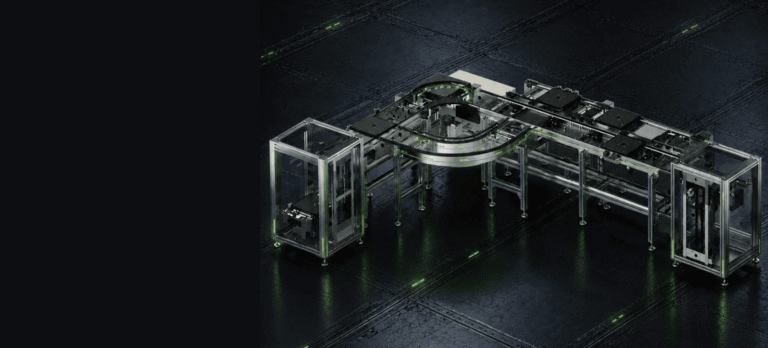











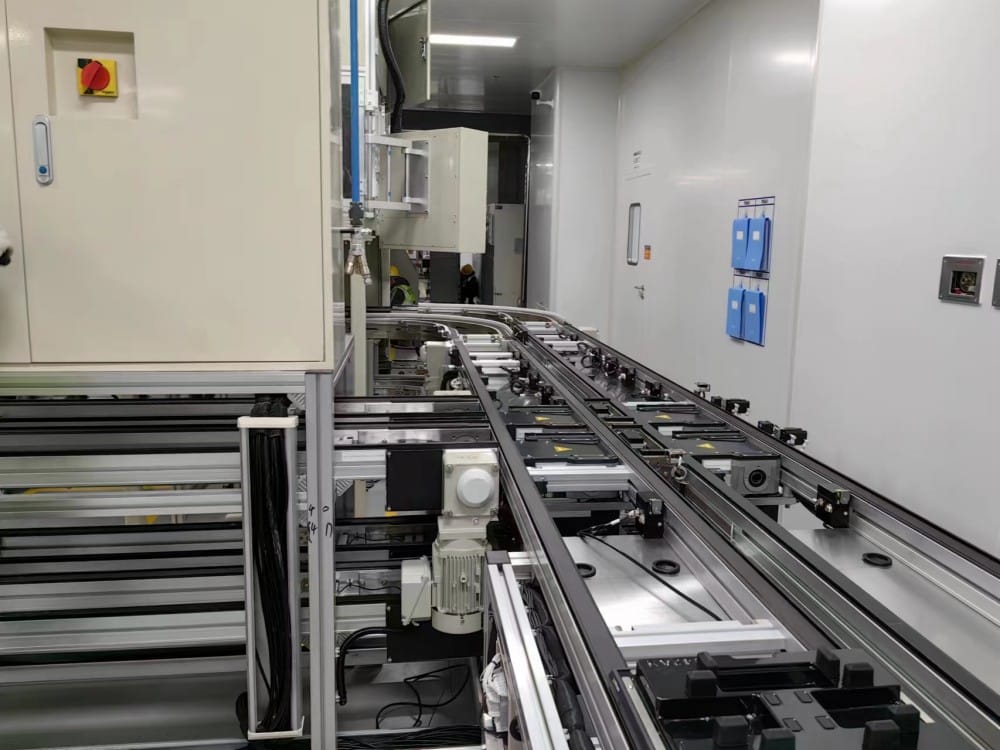
Sistemas de transporte are essential for various industries, facilitating the movement of materials, products, and goods efficiently and safely. Understanding the different types of conveyor systems can help businesses choose the right one for their specific needs. This guide will delve into various conveyor systems, highlighting their features, benefits, and applications.
What is a Conveyor System?
A sistema de transporte is a mechanical equipment that transports materials from one location to another. They are widely used in manufacturing, warehousing, and distribution processes. By automating the transportation of goods, conveyor systems can enhance productivity, reduce labor costs, and improve workplace safety.
Principales ventajas de los sistemas de transporte
- Mayor eficiencia: Automating the transportation process speeds up production.
- Reducción de los costes laborales: Less manual handling means fewer labor requirements.
- Mayor seguridad: Minimizes the risk of injury associated with manual lifting and carrying.
- Versatilidad: Suitable for various materials, from heavy goods to fragile items.
Tipos de sistemas transportadores
1. Cintas transportadoras

Resumen
Belt conveyors are one of the most common types of conveyor systems. They consist of a continuous loop of material—typically rubber or fabric—driven by pulleys.
Características
- Diseño flexible: Can be customized for various lengths and widths.
- Smooth Transport: Ideal for moving products with a smooth, consistent surface.
Aplicaciones
- Almacenamiento
- Fabricación
- Minería
2. Transportadores de cadena acumulados

Resumen
Transportadores de cadena acumulados use a series of interconnected chains to move items along a production line. They are ideal for handling heavy loads and offer precision in item placement.
Características
- Alta capacidad de carga: Adecuado para el transporte de materiales pesados.
- Movimiento controlado: Items can be stopped or started individually without affecting the entire system.
Aplicaciones
- Líneas de montaje de automóviles
- Heavy machinery production
- Packaging industries
3. Attachment Conveyors
Resumen
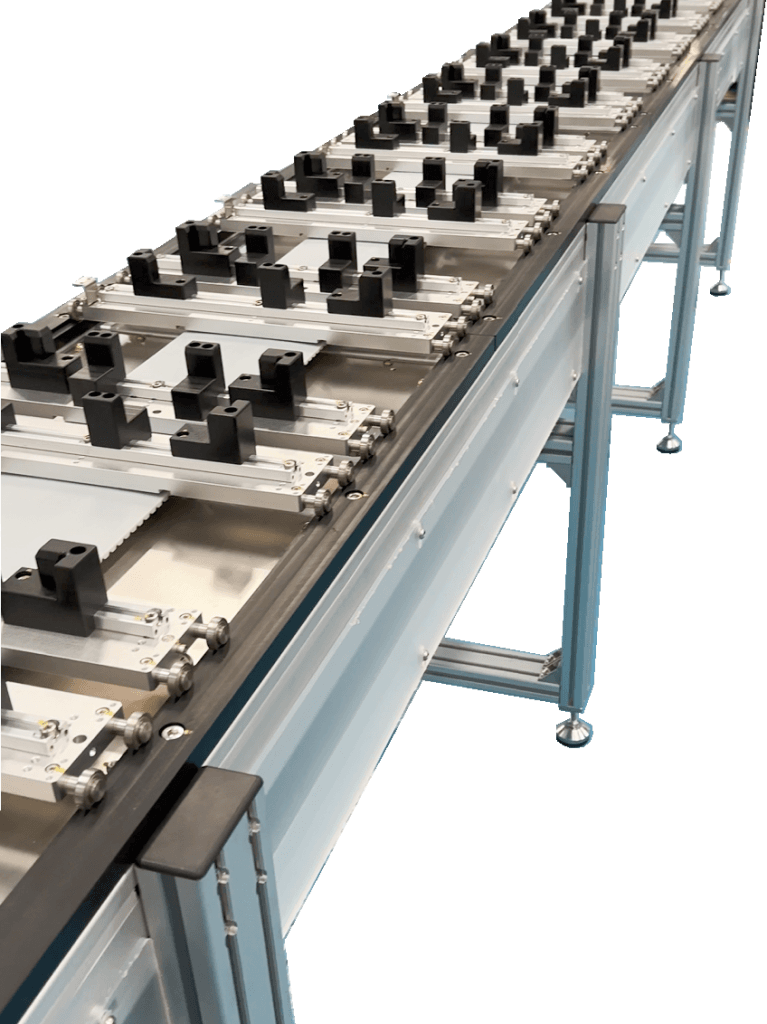
Attachment conveyors feature added components, such as side rails or guides, to assist in moving specific products. They provide enhanced control over the product movement.
Características
- Personalización: Can be tailored to specific product dimensions and shapes.
- Increased Stability: Prevents items from shifting during transport.
Aplicaciones
- El sector de la transformación alimentaria
- Pharmaceutical production
- Montaje de componentes electrónicos
4. Product Transfer Conveyors
Resumen
Product transfer conveyors are designed to move items between different conveyor systems or production areas. They play a critical role in assembly lines where products need to change direction.
Características
- Versatile Functionality: Can handle various product types and sizes.
- Efficient Transfers: Ensures smooth transitions between different conveyor systems.
Aplicaciones
- Almacenamiento
- Fabricación
- Centros de distribución
Factores a tener en cuenta a la hora de elegir un sistema transportador
When selecting a conveyor system, consider the following factors:
1. Capacidad de carga
Determine the maximum weight that the conveyor will need to handle.
2. Material Type
Identify the types of materials or products that will be transported.
3. Space Constraints
Assess the available space for the conveyor system to ensure it fits within your facility.
4. Speed Requirements
Consider the speed at which materials need to be moved to meet production goals.
Preguntas frecuentes sobre los sistemas de transporte
1. What industries use conveyor systems?
Conveyor systems are utilized in various industries, including manufacturing, warehousing, mining, food processing, and logistics.
2. How do I maintain a conveyor system?
Regular maintenance includes checking belts for wear, lubricating moving parts, and ensuring that all components are functioning correctly.
3. ¿Se pueden personalizar los sistemas de transporte?
Yes, many manufacturers offer customizable conveyor systems to meet specific business needs, including size, capacity, and additional features.
Comparison Table of Conveyor System Types
| Type of Conveyor | Capacidad de carga | Flexibilidad | Aplicaciones |
|---|---|---|---|
| Cintas transportadoras | Moderado | Alto | Warehousing, Mining |
| Transportadores de cadena acumulados | Alto | Moderado | Automotive, Heavy Machinery |
| Transportadores de accesorios | Alto | Personalizable | Industria alimentaria, electrónica |
| Cintas transportadoras para productos | Variable | Moderado | Manufacturing, Distribution |
Conclusión
Understanding the different types of conveyor systems is vital for optimizing operational efficiency and productivity. Whether you’re considering cintas transportadoras for a warehouse or transportadores de cadena acumulados for an assembly line, selecting the right type will depend on your specific needs and operational requirements. By investing in the appropriate conveyor system, you can enhance your workflow and contribute to your business’s overall success.
For more information about conveyor systems and to explore high-quality options, consider checking out products from Vitrans, a leading manufacturer in pallet conveyors and pallet transfer systems. Their extensive experience and commitment to quality ensure that you receive a reliable and efficient solution for your business needs.