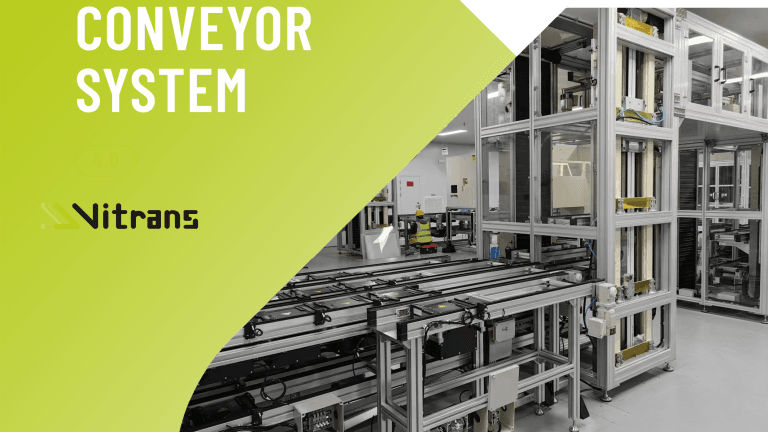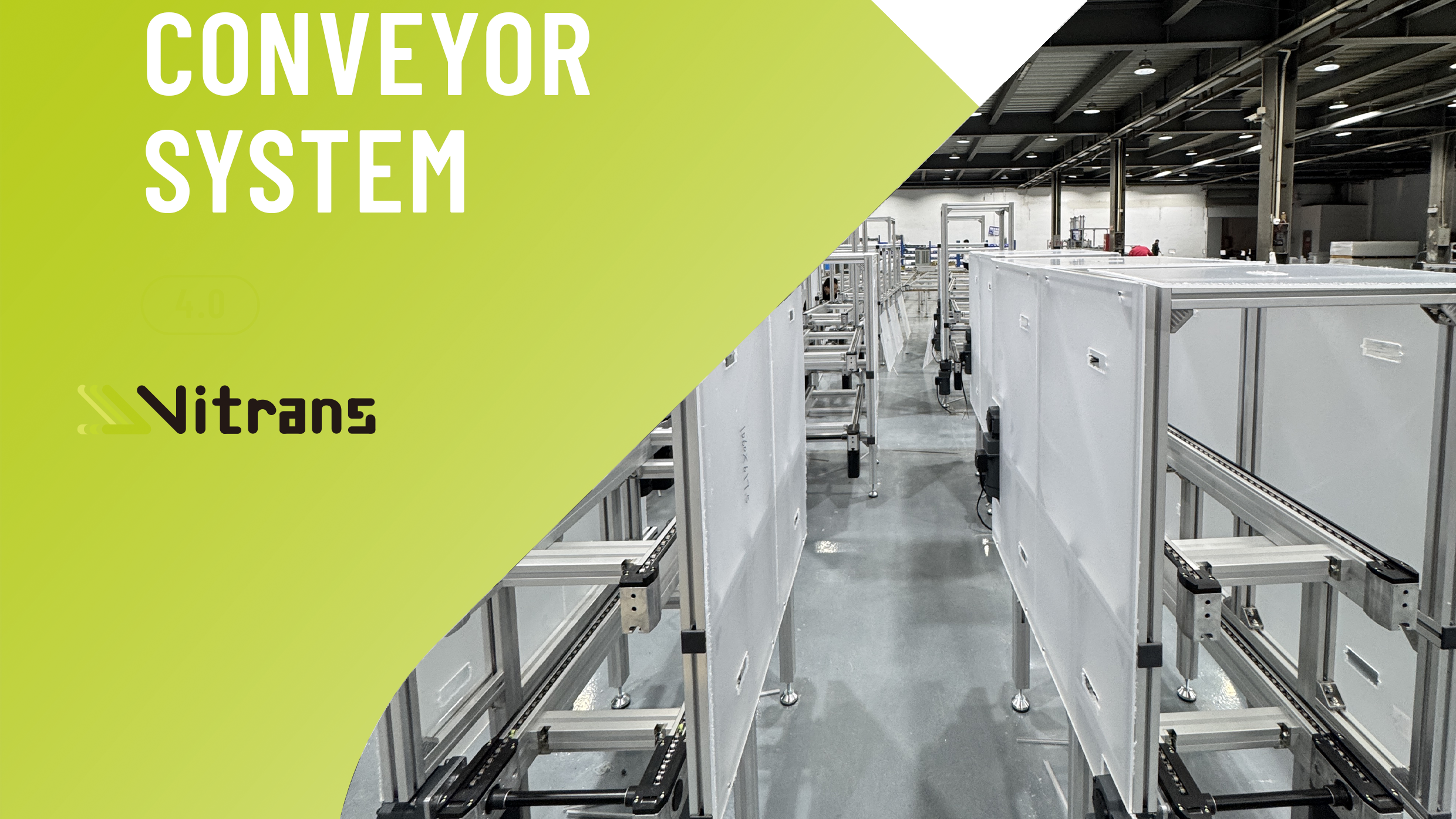
As energy storage factories have boomed in recent years, 70–80% of customers coming to us for PACK lines have run into pitfalls with earlier equipment. Some lines turn out to have insufficient load capacity and cannot handle larger cell modules at all; some only have a surface anti-static coating and fail factory safety audits; others require 2–3 days of downtime for model changeover, completely derailing production schedules. Worst of all is working through middlemen: when equipment breaks down, manufacturers and traders pass the buck back and forth while production sits idle.
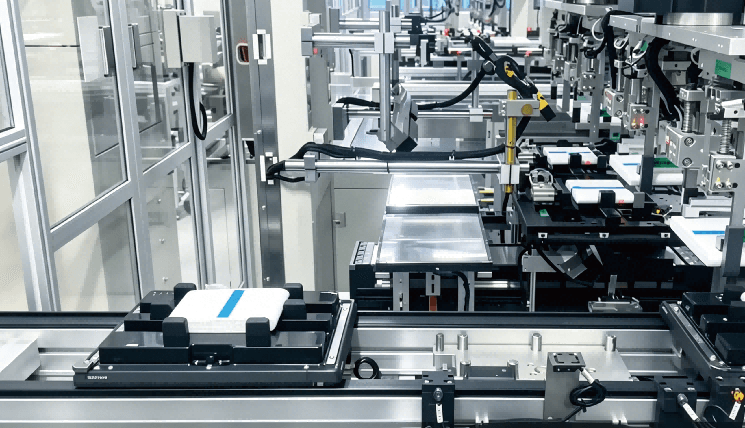
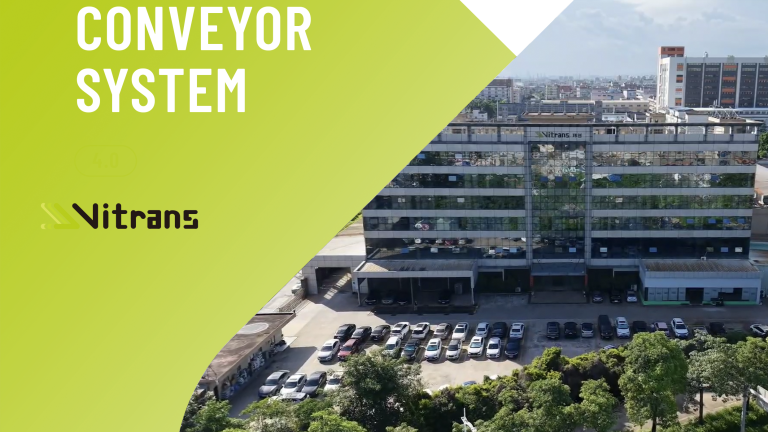
Vitrans has been building energy storage PACK conveying systems for more than a decade, with numerous mass-production lines under our belt. This article breaks down the actual parameters and application scenarios we evaluate during selection. You can compare them against your capacity plan, process flow and budget to get a clear picture of what you need.
1. Five Key Factors to Prioritize Before Selection
Before approaching suppliers, clarify your own requirements first:
① Load capacity and structural strength
A full PACK assembly easily weighs hundreds of kilograms; large liquid-cooled modules can approach one ton. How much safety margin is built into the frame, conveyor chain and tooling pallet directly determines how long the equipment lasts and how stably it runs.
Some low-priced lines on the market overstate load ratings. Within six months of production, frames start deforming, chains wear out fast, and station positioning drifts — requiring constant readjustment.

② Explosion protection and ESD compliance
In battery production, ESD control, explosion-proof motors and electrical isolation are not nice-to-haves — they are mandatory. A reliable supplier will clearly state ESD resistance ranges and equipment explosion-proof ratings in the proposal. Low-cost solutions often only apply a single anti-static coating without a full safety system, and almost never pass battery industry factory audits.
③ Changeover flexibility
Energy storage cell specifications evolve extremely fast — from 280Ah to 587Ah and now 1175Ah. Many factories also produce both residential and commercial energy storage systems side by side. Lines with poor changeover capability require major tooling overhauls for every new model, disrupting output and tact time.
④ Full-line integration capability
A complete PACK line connects cell loading, stacking, welding, insulation testing, EOL burn-in and final packaging. Suppliers that only build individual conveyor sections often cause integration issues at process handoffs, with incompatible signal communication. Suppliers capable of full-line turnkey solutions make project coordination far smoother.
⑤ After-sales service and warranty
PACK lines are the workhorses of the workshop — calculate for yourself what a single day of downtime costs. How fast local after-sales can arrive, what the warranty covers, and whether wearing parts are kept in stock should all be clarified before signing. Do not fixate only on the upfront price.
One more piece of advice: review mass-production case studies whenever possible, and visit the supplier’s facility if you can. Spec sheets are static; how stably equipment runs under real working conditions and how well it fits your process matters more than anything.
2. Two Real-World Deployed Projects
After more than a decade in custom battery module production lines, we have seen too many factories forced to rework brand-new equipment because of supplier qualification issues and overstated parameters — incurring millions in hidden costs within half a year. That is why we always recommend working directly with original equipment manufacturers: no middleman markup, and both pricing and quality stay controllable.
Vitrans is a long-term conveying equipment supplier to leading new-energy enterprises. Our battery module assembly lines and PACK test lines are proven for quality and long-term stability in mass production. Below are two live projects:
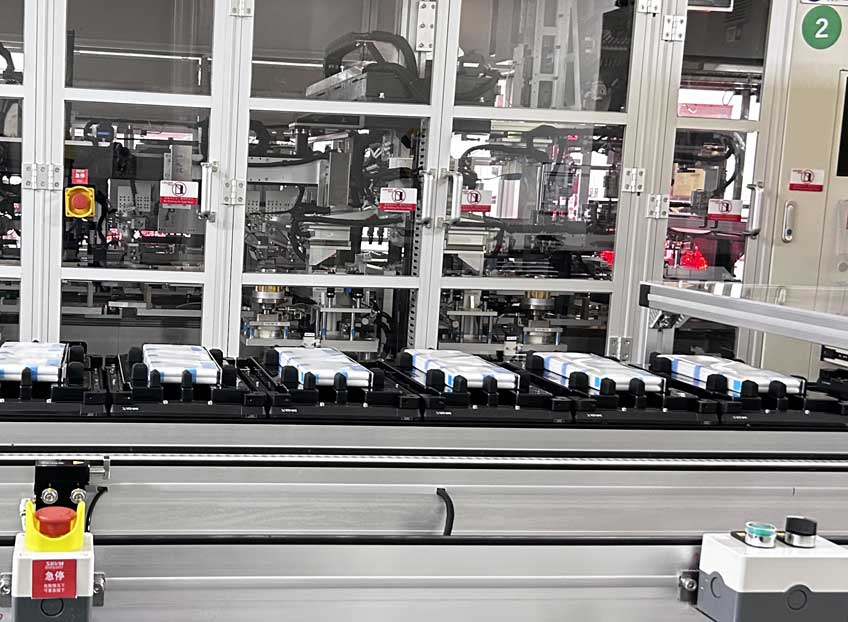
① Power Battery Assembly & Test Line
Conveying mode: heavy-duty 12B accumulated chain, 300 kg load per pallet, handling battery module assembly and in-line testing. Paired with 14 sets of non-standard mechanisms including heavy-duty lift-and-locate units, lift-and-transfer units, lifters and lift-and-rotate units.
Customer feedback after go-live: the solution was custom-built around the full power battery production process and meets all safety targets. Overall capacity rose by 40%, material transfer efficiency improved by 30%. Replacing manual heavy-module handling with equipment has greatly reduced manual handling safety risks.
② Energy Storage PACK Test Line
Conveying mode: accumulating roller conveyor, 450 kg load per pallet, for in-line testing of finished energy storage PACKs. Stations are equipped with heavy-duty lift-and-locate, lift-and-transfer and lift-and-rotate units, totaling 21 workstations.
This line supports mixed production of multi-spec modules, with changeover time compressed to under 15 minutes. Heavy-duty pallets start and stop smoothly without slipping; material flows smoothly through the burn-in buffer zone without buildup; full-line ESD performance consistently meets energy storage industry standards.
3. Why Customers Come Back to Vitrans
- Process fit: Conveying lines are fully customized for the heavy-load, ESD requirements of battery module production, with tooling pallet designs compliant with national industry standards.
- Stable operation: Overall equipment effectiveness (OEE) ≥ 85%, supports 72 hours of continuous uninterrupted operation, positioning jitter ≤ ±0.1 mm.
- Controllable quality: Core components use first-tier brands — no refurbished parts. Line yield ≥ 98.5%.
- After-sales guarantee: 24-hour technical response; 4-hour on-site service within the province, 24-hour outside; complete warranty system.
- Reasonable cost: Direct from the original manufacturer, no middlemen, transparent pricing, and stronger total cost of ownership advantage over the equipment lifecycle.
-
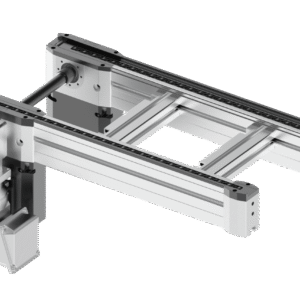
Transportador de cadena acumulada AC2 / Transportador de palés con cadena de rodillos / Transportador de flujo libre
-
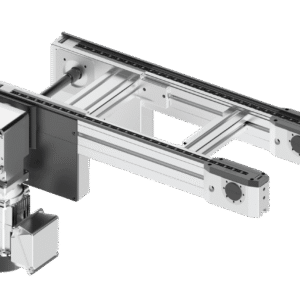
AC2/H Transportador de cadena acumulada/Transportador de cadena de rodillos//Transportador de flujo libre
-
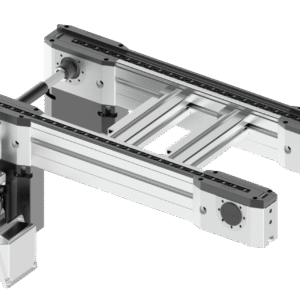
AC2/L: Transportador de cadena acumulada / Transportador de cadena de rodillos / Transportador de flujo libre
-
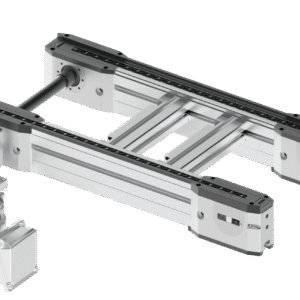
AC2/U Transportador de cadena acumulada/Transportador de cadena de rodillos//Transportador de flujo libre
-
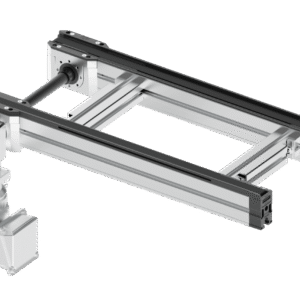
Transportador de correa dentada BC2 / Transportador de palés con correa dentada / Transportador de flujo libre / Transportador de correa dentada
-
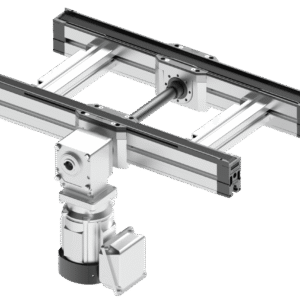
BC2/M: Transportador de correa dentada / Transportador de palés con correa dentada / Transportador de flujo libre / Transportador de correa dentada
-
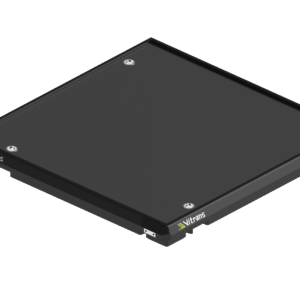
Palé de cinta transportadora
-
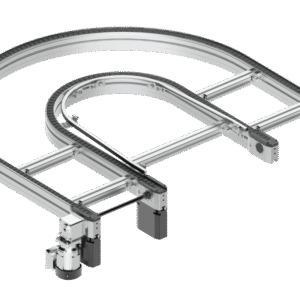
Curva de transportador de cadena con parte superior plana de 180 grados
-
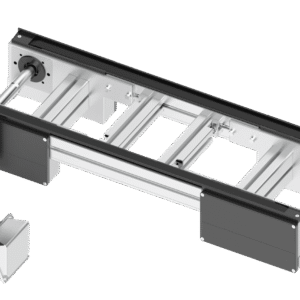
Transportador de cinta plana FC2 / Transportador de palés de cinta plana
4. Frequently Asked Selection Questions
Q1: For small and medium enterprises customizing a conveyor line, should we prioritize price or process fit? A: For workshops planning long-term mass production, prioritize process fit first. Low-priced solutions almost always cut corners on components and workmanship. Frequent downtime, repairs and stagnant capacity create hidden losses far larger than the initial price difference.
Q2: How do I select sistemas de transporte de palés for heavy workpieces? A: Match to your actual processes. For heavy products with multi-model mixed production, custom tooling pallets work well; use accumulated chain with positioning units at assembly stations, and roller conveyors for large-part buffer transfer sections — a combined approach is most rational.
Q3: How do I avoid buying short-lived, unstable conveying equipment? A: Beyond reviewing prototypes and drawings, focus on the supplier’s non-standard retrofit capability and proven mass-production cases in the energy storage industry. Write accuracy, failure rate and changeover efficiency into the contract — do not rely on verbal promises.
Cierre
If you are planning an automated assembly line for the energy storage industry and need accumulating, tooling-circulation conveying equipment, Vitrans PACK assembly conveyor lines are worth discussing: we support full customization, with integrated design for frame materials, tooling fixtures, single/double-layer layouts and automation peripherals.
Send us your production conditions and we will prepare a tailored solution.