










目次
- はじめに:コンベヤベルトとは何か?
- コンベヤベルトの主要部品
- 2.1 コンベヤベルト
- 2.2 プーリー
- 2.3 駆動モーター
- 2.4 アイドラー
- 2.5 ベルトの材質
- 2.6 フレーム
- 2.7 テンショナー
- コンベヤシステムの種類
- 産業におけるコンベヤシステムの役割
- コンベヤシステムが効率と生産性をどのように向上させるか
- Vitrans Automation Equipment Co., Ltd. – コンベヤ製造のリーディングカンパニー
- 用途に適したコンベヤシステムの選定
- よくある質問
- 結論
はじめに:コンベヤベルトとは何か?
コンベヤベルト は、さまざまな産業において不可欠な設備であり、ある地点から別の地点へ資材を効率的に輸送することを可能にします。これらは、 工場、倉庫、空港、その他の産業施設. コンベヤベルトシステムは通常、材料の搬送作業を行うために連携して機能するいくつかの部品で構成されています。.
生産ラインで製品を搬送する場合でも、仕分け用の資材を運搬する場合でも、その主要な構成要素を理解することは コンベヤベルトシステム コンベヤベルトシステムの最適な機能と長寿命を確保するには、これが不可欠です。この記事では、コンベヤベルトシステムの主要な構成要素を詳しく解説し、各部品がシステムの全体的な性能にどのように寄与しているかについて説明します。.
コンベヤベルトの主要部品
コンベヤベルトシステムは、材料を効率的に搬送するために連携して機能するいくつかの主要な構成要素から成り立っています。コンベヤシステムを構成する主要な各部品について見ていきましょう。.
2.1 コンベヤベルト
その コンベアベルト これはシステムの最も重要な部分です。これは、材料をある地点から別の地点へと運ぶ可動面です。ベルトは用途に応じて、ゴム、布、金属など、さまざまな素材で作られます。.
- 素材の選択肢:
このベルトは、摩耗や損傷に耐え、さまざまな重量やサイズの資材を運搬できるよう設計されています。.
2.2 プーリー
プーリー これらはコンベヤベルトシステムの稼働に不可欠です。これらはコンベヤベルトの方向を変えるために使用され、張力を維持する役割も果たします。プーリーには通常、次の2種類があります:
- 駆動プーリー: これは、コンベヤベルトの先端にある主プーリーです。モーターから動力を受け、コンベヤベルトの駆動を行います。.
- テールプーリー: テールプーリーはコンベヤーの反対側の端に設置されており、ベルトを張った状態に保ち、位置を正しく整える役割を果たします。.
プーリーは、資材の搬送に伴う絶え間ない負荷に耐えられるよう、多くの場合、鋼鉄やその他の耐久性の高い素材で作られています。.
2.3 駆動モーター
その 駆動モーター コンベヤベルトシステムの駆動を担っています。電気エネルギーを機械エネルギーに変換し、ベルトを動かします。コンベヤシステムの規模や処理能力に応じて、駆動モーターの出力や回転数は異なります。.
- モーターの種類:
- 電気モーター: 効率化と制御の観点から、現代のコンベヤシステムで広く使用されている。.
- 油圧モーター: 高いトルクが求められる過酷な用途で使用されます。.
- 空圧モーター: 防爆機器が必要な環境、または電気部品が危険をもたらすおそれのある場所で使用されます。.
駆動モーターはプーリーと連動して、コンベヤベルトに動力を伝達します。.
2.4 アイドラー
アイドラー これらは、コンベヤベルトがシステム内を移動する際にベルトを支えるローラーです。ベルトを誘導し、ベルトが正しい位置に保たれ、軌道から外れないようにする役割を果たします。アイドラーには主に2つの種類があります:
- アイドラーの運搬: これらはコンベヤベルトの下部に設置されており、搬送される材料の重量を支えています。.
- リターンアイドラー: ベルトの戻り側に配置されたこれらのアイドラーは、ベルトを起点まで戻す役割を果たします。.
アイドラーは通常、必要な支持力と耐久性を確保するために、鋼鉄またはプラスチックで作られています。.
2.5 ベルトの材質
その ベルト用素材 これは、コンベヤベルトの表面を形成するために使用される素材を指します。素材の選定は、搬送される物品の重量、業界の種類、環境条件などの要因によって決まります。.
- 一般的な材料:
- 生地: 軽量で柔軟性があり、食品加工などの業界でよく使用されています。.
- ゴム: 耐久性と耐摩耗性を備えており、バルク物資の取り扱いによく使用される。.
- スチール: 強度が高く、耐熱性に優れているため、過酷な使用条件や高温環境での用途に最適です。.
- ポリウレタン: 耐薬品性や耐摩耗性が極めて重要な産業で使用されます。.
用途ごとの具体的なニーズに応じて、それぞれの材料にはそれぞれの利点があります。.
2.6 フレーム
その フレーム コンベヤシステムのフレームは、ベルトの構造や構成部品を支えています。これは、すべての部品を確実に所定の位置に保持するために必要な骨組みを提供し、コンベヤがスムーズに稼働するよう保証します。.
- 素材の選択肢:
- 鉄骨フレーム: その強度と耐久性から、重作業や産業用途で広く使用されています。.
- アルミフレーム: 軽量で耐食性に優れており、食品加工業界や製薬業界でよく使用されています。.
このフレームは、システム全体が安定し、ベルトがたるみやずれを生じることなく直線的に動作するように設計されています。.
2.7 テンショナー
テンショナー これらは、コンベヤベルトの張力を調整・維持するために使用されます。適切な張力は、コンベヤシステムの効率的な稼働にとって極めて重要です。張力が強すぎるとベルトの摩耗や損傷につながり、逆に弱すぎるとベルトのスリップや位置ずれを引き起こす可能性があります。.
- テンショナーの種類:
- 手動式テンショナー: これらは、希望する張力に調整するために手動での調整が必要です。.
- 自動テンショナー: これらは張力を自動的に調整し、最適な性能を発揮できるようにします。.
テンショナーは、コンベヤベルトのバランスと耐久性を維持し、長期にわたりスムーズに機能し続けるよう支えます。.
コンベヤシステムの種類
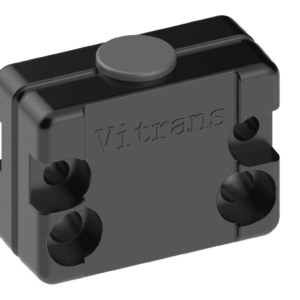
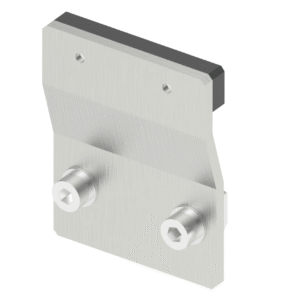
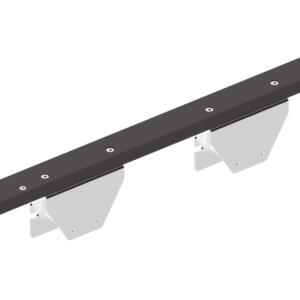
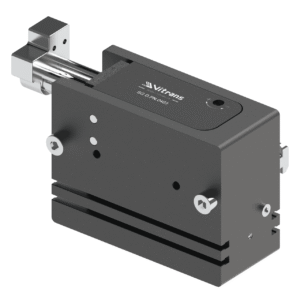
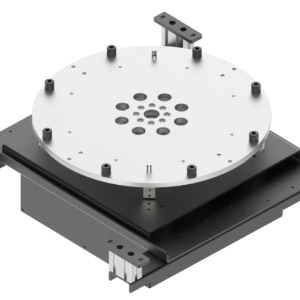
コンベヤシステムには、さまざまな業界のニーズに応えるため、多種多様な設計や構成があります。以下に、一般的なタイプをいくつか紹介します。
- ベルトコンベア: 最も一般的なタイプのコンベヤシステムで、包装業界や鉱業などで使用されています。.
- ローラーコンベヤ: 特に倉庫や物流センターなどでの重量物の運搬に最適です。.
- 空気輸送装置: 空気圧を利用して材料を搬送するもので、食品や製薬業界でよく用いられています。.
- スラットコンベヤ: ベルトの代わりにスラットを採用しており、過酷な使用条件に最適です。.
コンベヤシステムの種類ごとに、搬送する材料や用途の要件に応じて、それぞれ独自の利点があります。.
産業におけるコンベヤシステムの役割
コンベヤシステムは、資材の取り扱いと搬送を効率化することで、多くの産業において極めて重要な役割を果たしています。コンベヤシステムの主な利点には、次のようなものがあります:
- 効率の向上: コンベヤシステムにより、資材の搬送がより迅速かつ安定して行えるようになり、手作業の負担を軽減できます。.
- 安全性の向上: コンベヤは、資材の搬送を自動化することで、重い物を持ち上げたり移動させたりすることによる作業員の負傷リスクを低減します。.
- 費用対効果: 自動コンベアは、処理能力を高め、ダウンタイムを最小限に抑えることで、長期的に運用コストを削減することができます。.
食品加工、自動車製造、製薬、物流などの業界では、業務の効率化と生産性の向上を図るため、コンベヤシステムに大きく依存しています。.
コンベヤシステムが効率と生産性をどのように向上させるか
コンベヤシステムは、物品の搬送を自動化し、手作業を削減し、安定した処理能力を確保することで、業務効率を大幅に向上させることができます。コンベヤシステムが生産性を向上させる主な方法は以下の通りです。
- 連続運転: 手作業とは異なり、コンベヤは連続運転が可能であるため、中断することなく安定した材料の流れを確保できます。.
- 人件費の削減: 自動化により、手作業を行う労働者の必要性が減り、人件費の削減につながります。.
- ワークフローの改善: コンベヤシステムは、資材の流れを円滑にし、ボトルネックや遅延を防ぐのに役立ちます。.
製造や物流といったペースの速い業界では、コンベアが安定した生産ペースを維持し、厳しい納期に対応するのに役立っています。.
Vitrans Automation Equipment Co., Ltd. – コンベヤ製造のリーディングカンパニー
ヴィトランズ・オートメーション・イクイップメント株式会社. は、中国・東莞に拠点を置く著名なコンベヤメーカーです。同社は、高品質なモジュラー式パレットコンベヤシステムをはじめ、歯付きベルト、平ベルト、フラットトップチェーン、蓄積チェーン、ローラーなど、幅広いコンベヤ製品の提供を専門としています。.
生産ラインの計画および組立自動化において長年の経験を持つVitransは、世界中の企業から信頼されるパートナーとなっています。研究開発および生産への取り組みにより、同社の各コンベヤシステムは、効率性、信頼性、カスタマイズ性において最高水準を満たしています。.
用途に適したコンベヤシステムの選定
適切なコンベヤシステムを選定するには、以下のようないくつかの要因を考慮する必要があります:
- 材料の種類: 輸送する必要がある資材の種類(例:ばら積み、重量物、壊れやすいものなど)を検討してください。.
- 環境: コンベヤが高温や湿潤環境などの過酷な条件下で稼働するかどうかを確認してください。.
- 容量要件: 搬送する必要のある材料の量に対応できるコンベアを選んでください。.
- スピードと効率性: 生産目標を達成するために、コンベアがどの程度の速度で資材を搬送する必要があるかを検討してください。.
Vitransでは、軽量な小包から重量物まで、お客様の具体的なニーズに合わせてカスタマイズ可能な、幅広いコンベヤシステムをご用意しています。.
よくある質問
1. 産業分野で最も一般的に使用されているコンベヤーの種類は何ですか?
その
産業分野で最も一般的に使用されているコンベヤの種類は、 ベルトコンベア, これは汎用性が高く、効率的で、幅広い用途においてコストパフォーマンスに優れています。.
2. コンベヤベルトシステムのメンテナンスはどのように行えばよいですか?
コンベヤベルトシステムのメンテナンスを行うには、定期的な点検を確実に行い、ベルトの張力を確認し、プーリーやアイドラーなどの摩耗した部品を交換してください。.
3. コンベヤシステムはカスタマイズできますか?
はい、コンベヤシステムは、搬送物の種類、処理能力、環境条件など、お客様の具体的なニーズに合わせてカスタマイズ可能です。.
結論
コンベヤシステムは、現代の産業において不可欠なツールであり、資材搬送において効率性、信頼性、安全性を提供します。主要な構成部品とその機能を理解することで、コンベヤシステムを最高のパフォーマンスで稼働させることができます。適切なコンベヤ部品を選定することで、企業は生産性を最適化し、運用コストを削減し、業務フローを効率化することができます。.