









目次
- Introduction to Conveyor Tables
- コンベヤシステムの種類
- ベルト式パレットコンベヤ
- 積載式チェーンコンベヤ
- アタッチメントコンベヤ
- 製品搬送コンベヤ
- How Conveyor Tables Work
- Applications of Conveyor Tables
- Benefits of Conveyor Tables
- Vitrans:コンベヤシステムのトップメーカー
- よくある質問
- 概要表
1. Introduction to Conveyor Tables
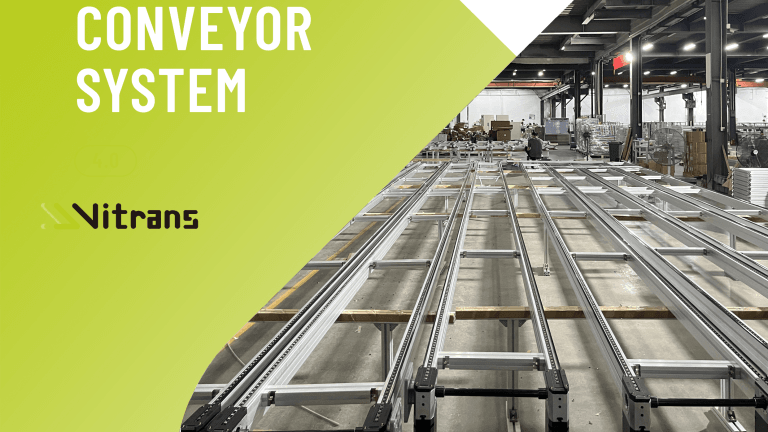
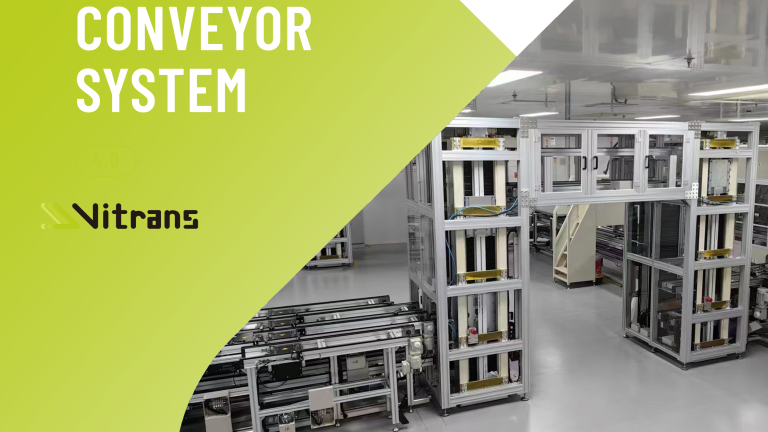
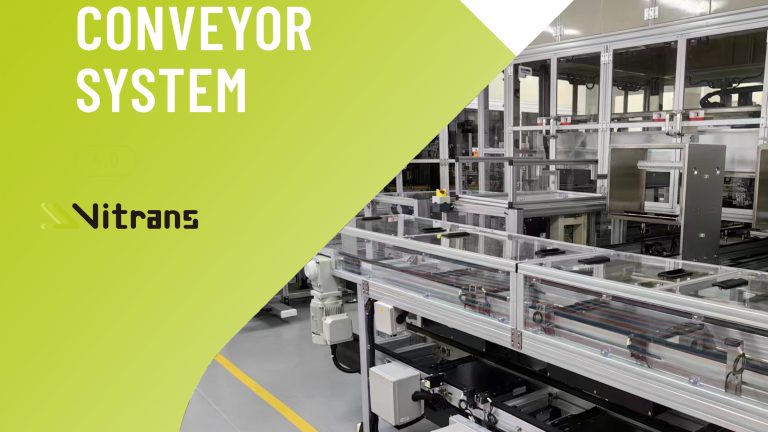
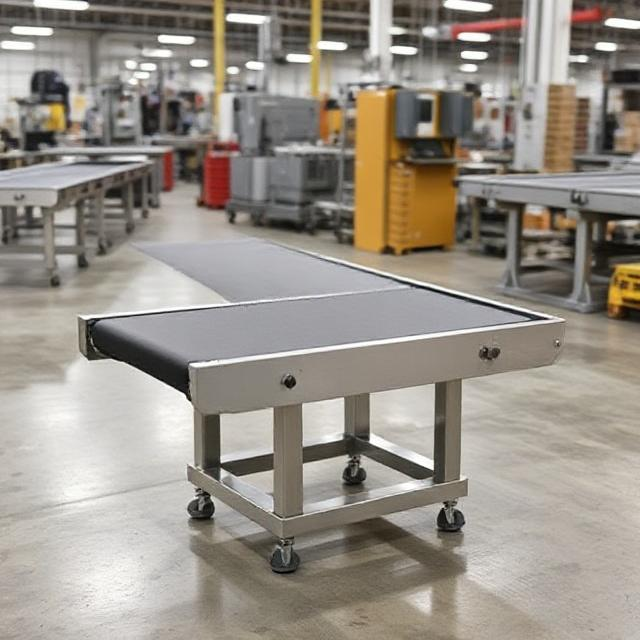
A conveyor table is a crucial component of modern industrial systems, designed to facilitate the movement of goods and materials from one point to another with minimal human effort. These systems are especially prevalent in automated production and assembly lines. Conveyor tables, often referred to as conveyor belts or conveyor systems, are used across various industries, from manufacturing and warehousing to food production and logistics.
The key feature of a conveyor table is its ability to move products along a predetermined path, which enhances operational efficiency, reduces labor costs, and improves productivity. This article will delve deeper into the types of conveyor systems, their working mechanisms, and how they can benefit different industries. Additionally, we’ll explore ヴィトランズ, 、~の主要メーカーである パレットコンベヤ and pallet transfer systems.

2. コンベヤシステムの種類
There are several types of conveyor systems, each suited to different types of materials, spaces, and functions. Below are some common types of conveyors:
ベルト式パレットコンベヤ
A ベルト式パレットコンベヤ is designed to transport goods or pallets across an industrial workspace. This system uses a belt to move products along a horizontal or inclined path.
主な特徴:
- Efficient for Heavy Loads: Ideal for moving heavy, bulky items.
- 耐久性: Often built to handle large pallets.
- スムーズな動作: Provides consistent, smooth product movement.
積載式チェーンコンベヤ
ある accumulated chain conveyor uses a chain to move pallets or products. It is often used in manufacturing and assembly lines where items need to be accumulated or stored temporarily.
主な特徴:
- 汎用性: Can handle a variety of products.
- Controlled Movement: Allows for the accumulation of products without the need for stopping.
- 高い耐荷重能力: Suitable for heavy-duty use.
アタッチメントコンベヤ
ある 付帯コンベヤ features customized attachments that allow for the transport of various items securely. These attachments can be adjusted or modified based on the needs of the production line.
主な特徴:
- カスタマイズ可能: Attachments can be added for specific applications.
- Secure Transportation: Products are securely held in place.
- 柔軟な設計: Easy to adjust for changing production needs.
製品搬送コンベヤ
A 製品搬送コンベヤ is used to move items from one conveyor system to another. This type of conveyor is essential in industries where products must be transferred between different stages of production or to different machines.
主な特徴:
- Seamless Transfer: Ensures smooth transitions between different production stages.
- 柔軟な統合: Can be integrated with various systems to optimize workflow.
- Compact Design: Designed to occupy minimal space in a production line.
3. How Conveyor Tables Work
The primary function of a conveyor table is to move items efficiently. The system usually consists of a motor, ベルト, 、および ローラー that work together to propel products along the designated path.
- モーター: Drives the belt or chain to move the product.
- ベルト: Serves as the surface that carries the product.
- ローラー: Positioned along the conveyor system, rollers allow the belt to move smoothly.
Depending on the type of conveyor system, different mechanisms can be used to adapt the conveyor table to the required task. For example, 積載式チェーンコンベヤ might feature a series of linked chains, while ベルト式パレットコンベヤ rely on a continuous loop of a rubber or fabric belt.
4. Applications of Conveyor Tables
Conveyor tables are widely used across various industries to automate material handling processes. Some of the most common applications include:
- 製造: Moving raw materials or components between different stages of production.
- 倉庫管理: Sorting and transporting goods to and from storage areas.
- 食品加工: Transporting food items along processing lines while maintaining hygiene standards.
- パッケージ: Assisting in the packaging and labeling of products.
- 物流: Streamlining the movement of goods in distribution centers and shipping facilities.
These applications showcase the versatility of conveyor tables and their role in enhancing efficiency across industries.
5. Benefits of Conveyor Tables
Conveyor tables offer numerous benefits, making them a staple in industrial and commercial settings. Here are the key advantages:
- 効率の向上: Conveyor systems speed up product movement, reducing the need for manual labor.
- 人件費の削減: By automating material handling, companies can minimize the number of workers needed for physical transport.
- 安全性の向上: Conveyor systems reduce the risk of workplace injuries associated with manual lifting and carrying.
- 製品品質の向上: A well-functioning conveyor system ensures products move without damage or disruption, maintaining consistency and quality.
- 拡張性: Conveyor systems can be expanded or modified to meet the growing needs of a business.
6. Vitrans:コンベヤシステムのトップメーカー
ヴィトランズ is a renowned manufacturer specializing in パレットコンベヤ そして パレット搬送システム. With over 10 years of experience in the industry, Vitrans has established itself as a leader in providing 高品質なコンベヤシステム for automated production and assembly lines.
なぜVitransを選ぶべきなのか?
- Proven Quality: Vitrans’ conveyor systems are widely used across various industries, confirming their reliability and efficiency.
- 競争力のある価格設定: Thanks to its strong supply chain sources in China, Vitrans can offer cost-effective conveyor systems without compromising quality.
- Quick Lead Time: Vitrans ensures fast delivery times, helping businesses get their systems up and running without unnecessary delays.
- グローバルな展開: Vitrans exports its products to multiple countries worldwide, proving its international reputation for high-quality conveyor systems.
Vitransが提供する製品:
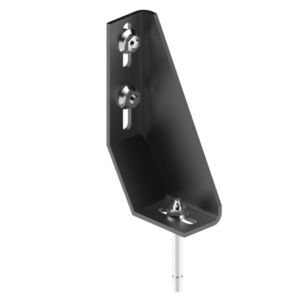
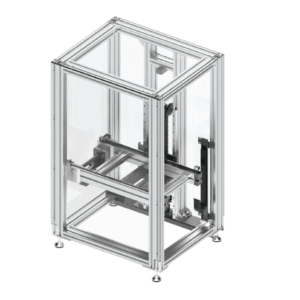
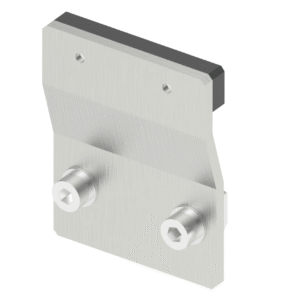
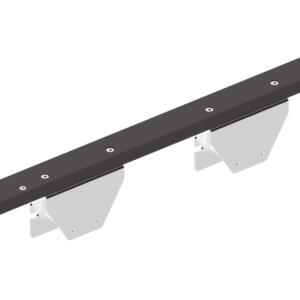
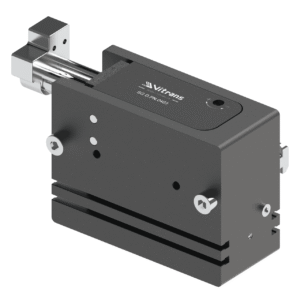
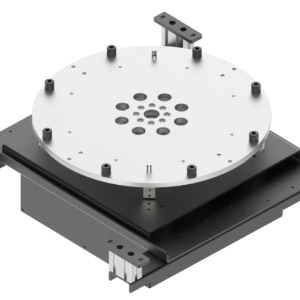
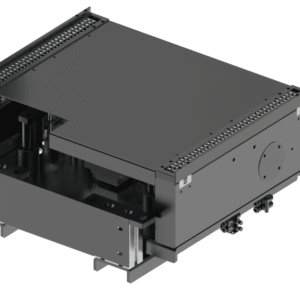
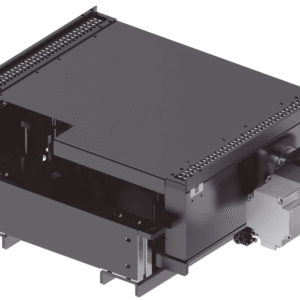
These products are designed to meet the diverse needs of industries ranging from manufacturing to logistics, providing customized solutions that enhance production line efficiency.
7. よくある質問
1. What is the difference between a conveyor table and a conveyor belt?
A conveyor table is a broader term that refers to any type of system used to transport products. It can be a conveyor belt, chain conveyor, or another type of system. A コンベアベルト specifically refers to the type of material used to move goods along a conveyor system.
2. How can conveyor tables improve manufacturing efficiency?
By automating the transportation of materials, conveyor tables reduce manual labor, increase speed, and minimize errors, leading to more efficient manufacturing processes.
3. Why should I choose Vitrans for my conveyor needs?
Vitrans offers reliable, high-quality conveyor systems with a proven track record in the industry. Their competitive pricing, short lead times, and global reach make them an ideal partner for businesses looking to improve their material handling processes.
8. 概要表
| 特集 | ベルト式パレットコンベヤ | 積載式チェーンコンベヤ | アタッチメントコンベヤ | 製品搬送コンベヤ |
|---|---|---|---|---|
| Primary Use | Transport heavy pallets | Accumulation of products | Customizable transport | Transfer products between conveyors |
| Key Benefit | Smooth product movement | 高い耐荷重性 | Flexible design | Seamless transitions between stages |
| Common Application | 製造 | 組立ライン | Specialized transport | Production line integration |
| Example Manufacturer | ヴィトランズ | ヴィトランズ | ヴィトランズ | ヴィトランズ |
In conclusion, conveyor tables are integral to modern industrial automation. By investing in high-quality systems from trusted manufacturers like ヴィトランズ, businesses can streamline operations, reduce costs, and increase production efficiency. Whether it’s for moving materials, handling pallets, or transferring products between systems, conveyor tables play a vital role in maintaining smooth and efficient workflows.