










목차
- 서론
- 컨베이어 벨트 비용에 영향을 미치는 요인
- 2.1. Belt Type and Material
- 2.2. 컨베이어의 길이 및 폭
- 2.3. Load Capacity and Speed
- 2.4. Customization and Automation
- 2.5. Installation and Maintenance
- Estimated Costs of Different Conveyor Belt Types in 2025
- 3.1. Roller Conveyor Cost
- 3.2. Belt Conveyor Cost
- 3.3. Chain Conveyor Cost
- 3.4. Modular Plastic Conveyor Cost
- 3.5. Overhead Conveyor Cost
- Vitrans: Leading Factory Conveyor Belt Manufacturer
- 4.1. Vitrans Product Offerings
- 4.2. Competitive Pricing & Short Lead Times
- How to Choose the Right Conveyor Belt for Your Factory
- 결론
- 요약표
1. 서론
A factory 컨베이어 벨트 is a vital part of industrial automation, helping to transport materials efficiently across different stages of production. The cost of a conveyor system varies depending on type, material, size, load capacity, and additional features like automation.
In this article, we will discuss the factors influencing conveyor belt prices, provide an estimated cost range for different types of conveyors in 2025, and introduce Vitrans, a leading manufacturer offering 비용 효율적인 솔루션.

2. Factors Affecting Conveyor Belt Costs
Several key factors influence the price of a factory conveyor belt system.
2.1. Belt Type and Material
The choice of material plays a significant role in pricing. Common materials include:
- 고무 컨베이어 벨트 (affordable, durable, used for bulk handling)
- PVC/PU Conveyor Belts (lightweight, ideal for food and pharmaceutical industries)
- 금속 컨베이어 벨트 (used in high-temperature environments, costly but long-lasting)
- Modular Plastic Conveyor Belts (flexible, corrosion-resistant, mid-range pricing)
2.2. 컨베이어의 길이 및 폭
- Shorter conveyors (1-5 meters) cost less than longer conveyors (20+ meters).
- Wider belts require more material, increasing the cost.
2.3. Load Capacity and Speed
- Heavy-duty conveyor belts for bulk material handling cost more.
- High-speed conveyor systems require advanced motors and controls, adding to the price.
2.4. Customization and Automation
- Custom-designed conveyor systems with sensors, robotic arms, or AI integration increase the overall cost.
- Automated conveyors with PLC controls and smart tracking add expenses but improve efficiency.
2.5. Installation and Maintenance
- 기본 컨베이어 may only need simple installation, keeping costs low.
- Complex conveyor systems require professional installation, increasing initial costs.
- Maintenance requirements vary depending on the belt type and application.
3. Estimated Costs of Different Conveyor Belt Types in 2025

The following are estimated conveyor belt prices based on current market trends and projections for 2025.
3.1. Roller Conveyor Cost
- Gravity Roller Conveyor: $100 – $500 per meter
- Motorized Roller Conveyor: $1,500 – $5,000 per meter
3.2. Belt Conveyor Cost
- Standard Rubber Belt Conveyor: $2,000 – $10,000
- Food-Grade PVC/PU Conveyor: $3,000 – $15,000
- Heavy-Duty Industrial Conveyor: $10,000 – $50,000
3.3. Chain Conveyor Cost
- Basic Chain Conveyor: $5,000 – $20,000
- Heavy-Duty Chain Conveyor: $15,000 – $50,000
3.4. Modular Plastic Conveyor Cost
- Entry-Level Modular Conveyor: $2,000 – $8,000
- High-Speed Modular Conveyor: $10,000 – $30,000
3.5. Overhead Conveyor Cost
- Basic Overhead Conveyor: $5,000 – $15,000
- Advanced Overhead Conveyor: $20,000 – $100,000
Prices may vary based on location, customization, and supplier.
4. Vitrans: Leading Factory Conveyor Belt Manufacturer

4.1. Vitrans Product Offerings
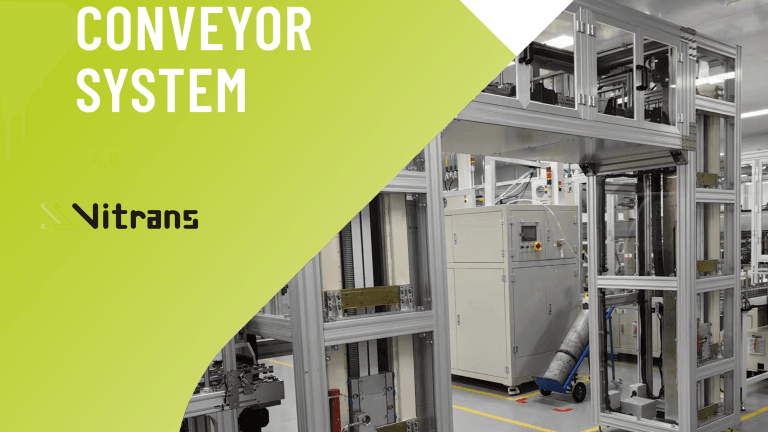
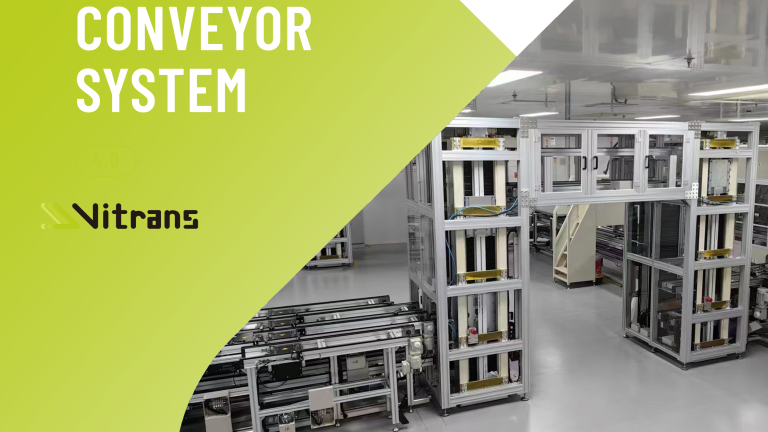
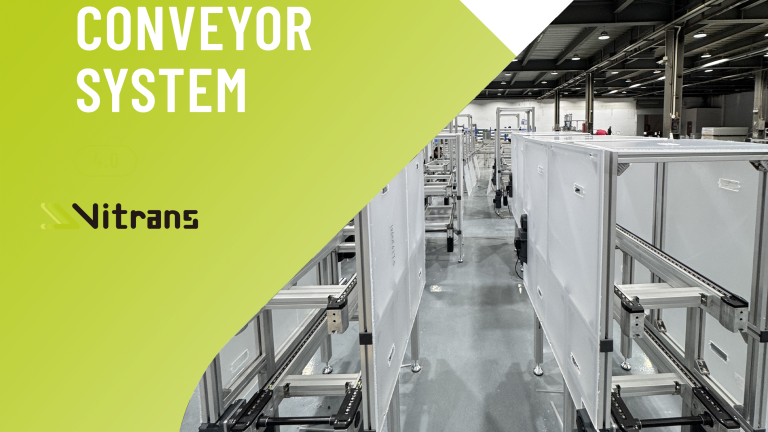
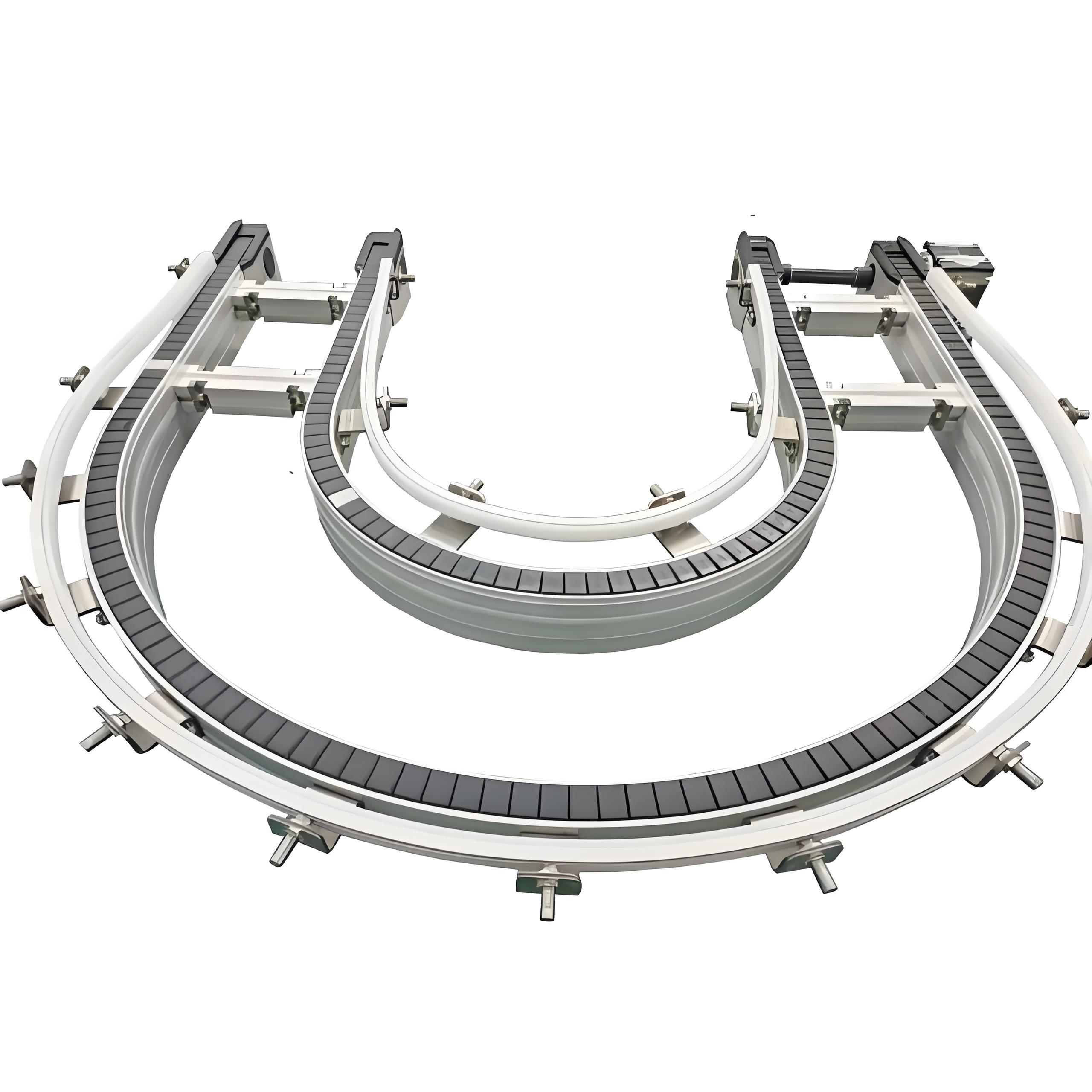
Vitrans 는 선도적인 제조업체 전문 분야: 팔레트 컨베이어 및 팔레트 이송 시스템. With over 10년의 경력, Vitrans supplies 고품질 컨베이어 시스템 used in industrial automation and assembly lines.
Vitrans Conveyor Solutions:
4.2. Competitive Pricing & Short Lead Times
Vitrans benefits from 중국의 풍부한 공급망, allowing them to offer:
- Cost-effective pricing without compromising quality
- Fast lead times for both standard and custom conveyor systems
- Global export capabilities
5. How to Choose the Right Conveyor Belt for Your Factory
Selecting the right conveyor belt system depends on your industry needs.
Key Considerations:
✔ 재질 유형: 선택하세요 rubber, PVC, metal, or plastic based on your industry.
✔ 적재 용량: Consider the weight and volume 재료의.
✔ Speed Requirements: Higher speeds may need advanced motorized systems.
✔ Automation Needs: Decide if you need smart sensors, AI tracking, or robotic integration.
✔ Budget Constraints: Compare long-term value vs. initial investment.
Best Conveyor Types by Industry:
- Manufacturing & Assembly: Belt & Roller Conveyors
- Food & Pharmaceuticals: PVC/PU Food-Grade Conveyors
- Heavy-Duty Applications: Chain & Overhead Conveyors
- E-commerce & Warehousing: Modular & Horizontal Circulate Conveyors
6. Conclusion
The cost of factory conveyor belts in 2025 depends on belt type, size, material, and automation level.
- Basic roller conveyors start at $100 per meter, while advanced overhead conveyors can exceed $100,000.
- Automation, load capacity, and material choice significantly impact pricing.
- Vitrans offers cost-effective, high-quality conveyor systems ~와 함께 fast delivery and competitive pricing.
For businesses looking to invest in efficient conveyor solutions, understanding the total cost of ownership and long-term ROI is essential.
7. Summary Table
| 컨베이어 유형 | Estimated Cost (2025) | 가장 적합한 대상 |
|---|---|---|
| 중력식 롤러 컨베이어 | $100 – $500/meter | Low-cost material handling |
| Motorized Roller Conveyor | $1,500 – $5,000/meter | Automated warehouses |
| 표준 벨트 컨베이어 | $2,000 – $10,000 | General manufacturing |
| Food-Grade Belt Conveyor | $3,000 – $15,000 | Food & pharmaceutical industries |
| 고부하용 벨트 컨베이어 | $10,000 – $50,000 | Mining & heavy industry |
| Basic Chain Conveyor | $5,000 – $20,000 | Industrial production |
| Advanced Chain Conveyor | $15,000 – $50,000 | Heavy-duty applications |
| Entry-Level Modular Conveyor | $2,000 – $8,000 | E-commerce & packaging |
| High-Speed Modular Conveyor | $10,000 – $30,000 | High-volume warehouses |
| Basic Overhead Conveyor | $5,000 – $15,000 | Automotive & assembly lines |
| Advanced Overhead Conveyor | $20,000 – $100,000 | Large-scale manufacturing |
~에 대하여 customized solutions, competitive pricing, and short lead times, Vitrans 는 reliable manufacturer offering a wide range of conveyor systems to meet industry demands.