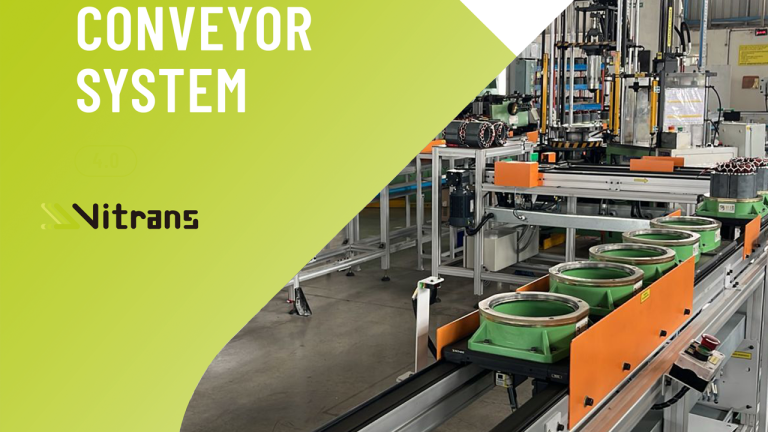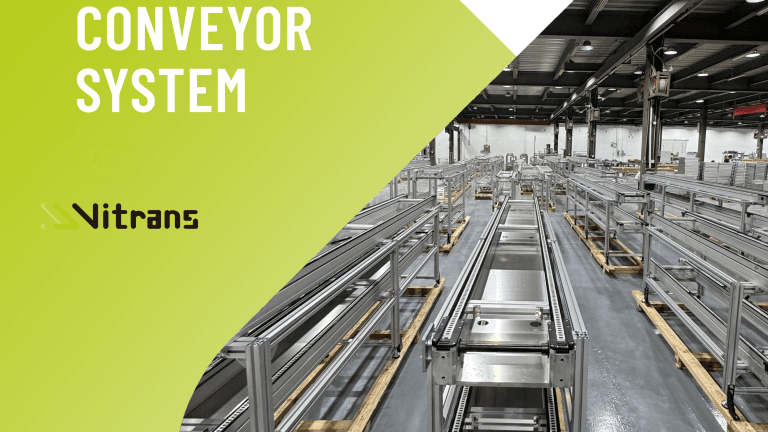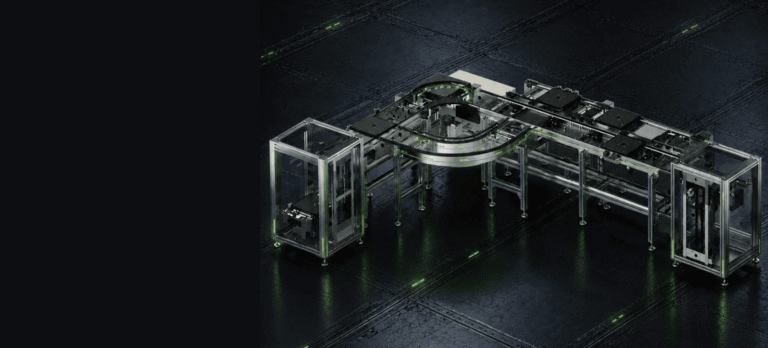











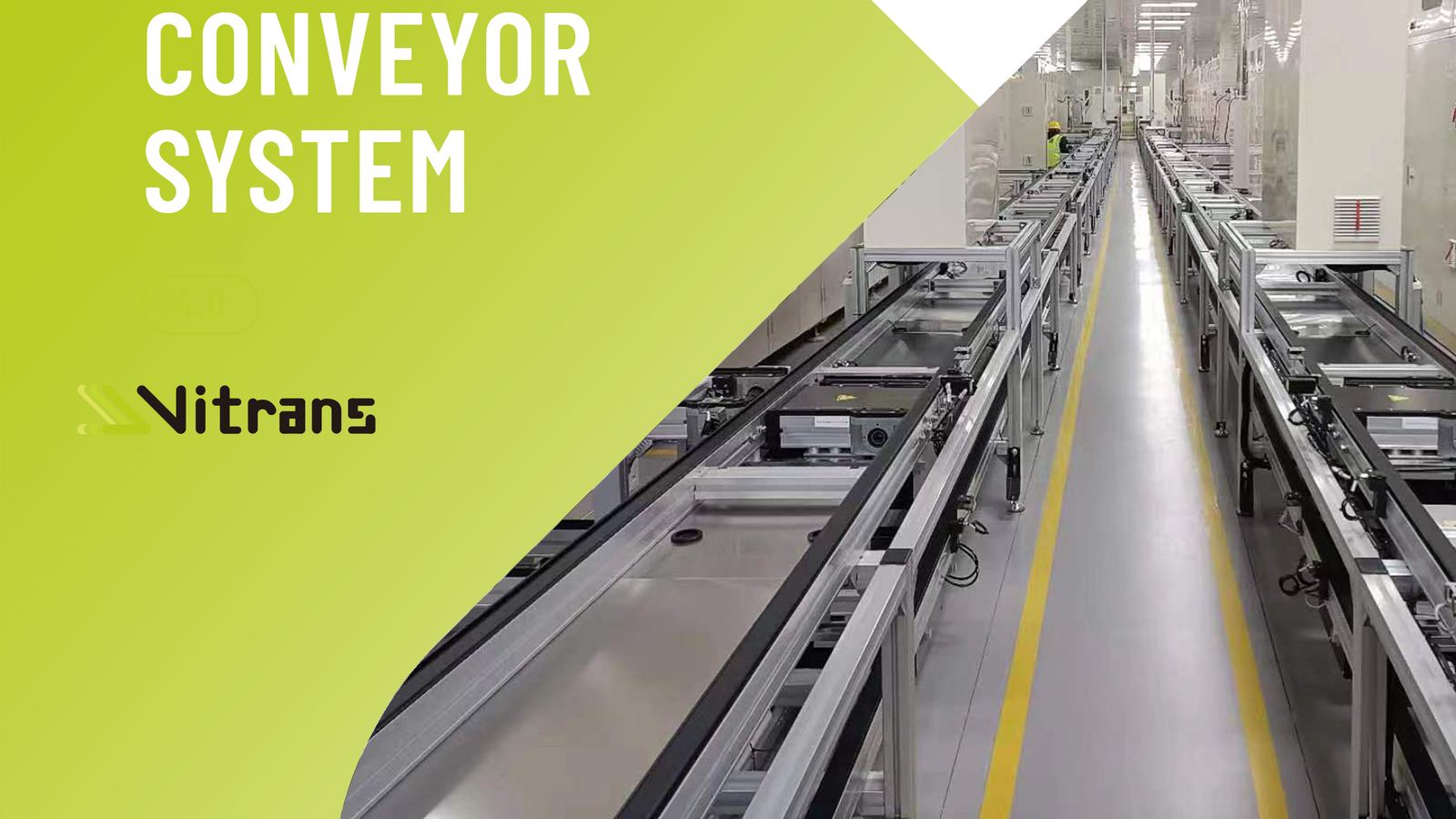
Barisan konveyor tali selari adalah blok binaan teras bagi pengeluaran automatik. Ia mengendalikan pelbagai keadaan penghantaran merentas pelbagai industri dan membentuk penyelesaian modular yang tidak tergantikan bagi barisan automatik. Di lantai kilang, sistem konveyor palet bergantung pada media penghantaran seperti tali pinggang dan rantai, digabungkan dengan komponen kawalan dan modul berfungsi, untuk melaksanakan penyimpanan palet, pelepasan, putaran, penentuan kedudukan dan pengangkatan — membolehkan aliran bahan automatik yang stabil dan cekap. Oleh kerana pilihan media penghantaran berbeza, begitu juga senario terpakai dan konfigurasi barisan bagi setiap sistem.
Hari ini kita melihat garis konveyor tali pinggang serentak yang dibangunkan sendiri, tersedia dalam dua model: BC2 dan barisan penghantar tali kipas BC2/M. Mari kita teliti ciri-ciri produk mereka, kelebihan praktikal dan prestasi sebenar di dunia sebenar.
1. Komponen Teras Garis Konveyor Tali Sinkron
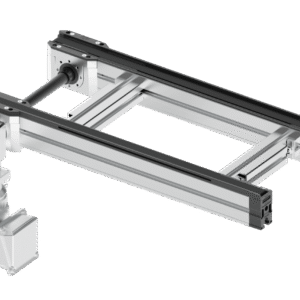
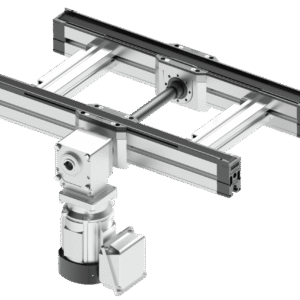
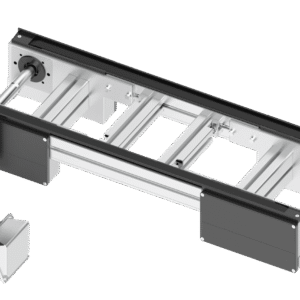
Satu barisan penghantar tali pinggang timing BC2 / BC2/M yang lengkap terdiri daripada palet kerja, jalur pelindung keausan tali pinggang timing, bahagian utama penghantar, komponen sokongan, sistem penentuan kedudukan dan unit kawalan penghantaran.
Remen timing itu sendiri adalah bahagian paling kritikal dalam keseluruhan sistem. Ia mesti memastikan barisan berjalan lancar dan cekap sambil menahan geseran dan ketegangan berterusan dalam jangka masa yang panjang. Ini terutamanya benar dalam bengkel bersih seperti elektronik dan pemasangan bateri litium, di mana keperluan tali adalah lebih ketat: idealnya mempunyai sifat anti-statik kekal dan menjana habuk atau serpihan yang minimum semasa operasi.
Perbezaan struktur antara kedua-dua model: BC2 ialah versi asas dengan unit pemacu terletak di kedua-dua hujung talian. BC2/M ialah versi lanjutan yang diubah suai, menampilkan bahagian sambungan LQ, dan motor boleh dipasang di tengah — pilihan berguna untuk susun atur yang terhad ruang di mana pemacu yang dipasang di hujung mengganggu peralatan lain.
2. Tali Kerawang Masa Anti-statik Tinggi Direka untuk Keadaan Pengangkutan Palet Sebenar
The kualiti tali waktu Secara besar-besaran menentukan prestasi keseluruhan barisan penghantaran. Mari kita lihat butiran reka bentuknya:
- Penglibatan gigitan gigi Menjaga penyelarasan semasa penghantaran, yang secara tidak langsung menyokong ketepatan penentuan kedudukan palet.
- Lapisan fabrik dua sisi memisahkan palet daripada asas tali poliuretana, mengurangkan dengan ketara serpihan yang terhasil daripada geseran — satu kelebihan sebenar untuk bilik bersih.
- Pengukuhan kord keluli terbina dalam Memperkukuh ketahanan tegangan dan mengurangkan risiko deformasi regangan dalam perkhidmatan jangka panjang.
- Bahan anti-statik dicampurkan ke dalam asas menyediakan perlindungan pelepasan elektrostatik kekal.
Secara bersama, elemen reka bentuk ini memastikan palet mengalir dengan lancar walaupun pada kelajuan operasi yang tinggi. Satu lagi perkara yang perlu diperhatikan: kedua-dua model menyokong penimbunan palet dan penghantaran dua hala (ke hadapan/balik) — satu perbezaan utama berbanding barisan konveyor tali rata.
3. Parameter Utama Sekilas
BC2 dan BC2/M pada dasarnya berkongsi prestasi teras yang sama; perbezaannya terletak pada struktur baris dan konfigurasi bahagian sambungan.
① Barisan Konveyor Tali Kerawang Waktu BC2 (Versi Asas)
jadual
| Parameter | Spesifikasi |
|---|---|
| Penyampaian medium | Tali timing |
| Beban maksimum yang dibenarkan | 60 kg |
| Had muatan unit-panjang | 1 kg/cm |
| Jumlah panjang baris | 300–6000 mm (biasanya ≤ 6 m disyorkan) |
| Pemasangan motor | Hujung kiri / hujung kanan / tengah kiri / tengah kanan; pemasangan tengah umumnya disyorkan apabila lebar palet ≥ 240 mm |
② Barisan Konveyor Tali Kembali BC2/M (Versi Lanjutan)
jadual
| Parameter | Spesifikasi |
|---|---|
| Penyampaian medium | Tali timing |
| Beban maksimum yang dibenarkan | 60 kg |
| Had muatan unit-panjang | 1 kg/cm |
| Jumlah panjang baris | 300–6000 mm, serta bahagian sambungan LQ yang boleh dipilih dalam julat 100–5700 mm |
| Yang terbaik untuk | Keadaan di tapak di mana gangguan peralatan menghalang motor yang dipasang di hujung |
Kedua-dua model menawarkan kelajuan dari 0 hingga 18 m/min (V = 0 bermaksud tiada motor pemacu dipasang), dilengkapi secara standard dengan palet kerja WA2, sepenuhnya anti-statik, dan dihantar sebagai unit modular yang telah dipasang sebelumnya.
4. Kelebihan Praktikal dalam Penggunaan Sebenar
- Penempatan yang tepat. Terima kasih kepada transmisi mesinan tali sawat, garis itu mencapai ketepatan penempatan ±0.5 mm, memenuhi keperluan ketepatan kebanyakan stesen kerja.
- Pengendalian kandang. Penggerak tali timing beroperasi dengan bunyi dan getaran yang rendah; palet bergerak dengan ayunan minimum, mengurangkan kemungkinan kerosakan akibat perlanggaran bahagian kerja.
- Penyelenggaraan mudah. Struktur keseluruhan adalah mudah. Jika tali pinggang haus, gantikan sahaja untuk memulihkan operasi — menjimatkan banyak masa dan kos penyelenggaraan.
- Pengubahsuaian atas permintaan. Selain modul standard, pelarasan bukan standard juga tersedia: sudut motor dan kedudukan pemasangan boleh diubah secara fleksibel untuk menyesuaikan susun atur baris yang berbeza.
Selain itu, kedua-dua model menyokong operasi ke hadapan dan ke belakang, mengendalikan proses penarikan palet dan aliran songsang yang hampir tidak dapat dicapai oleh konveyor tali rata.
5. Aplikasi Industri & Prestasi Kos Keseluruhan
BC2 dan BC2/M boleh digabungkan dengan unit penentuan kedudukan, modul angkat dan pemindahan, unit selekoh dan pengangkat untuk membina barisan edaran automatik lengkap. Mereka telah digunakan dalam industri bateri litium tenaga baharu, elektronik dan perkakas serta bahagian automotif — bukan sahaja dengan pengeluar domestik tetapi juga dengan pelanggan di luar negara.
Berbanding dengan penyelesaian ranta roller atau tali rata, Vitrans’ Garisan konveyor tali pinggang serentak mencapai titik imbangan antara kelancaran operasi, fleksibiliti susun atur dan kos projek. Ia sangat sesuai untuk pengangkutan jarak dekat hingga sederhana bagi palet kecil dan sederhana.
按类别列出產品
Penutupan
Disokong oleh produk piawai serta perkhidmatan tersuai, Vitrans Automation bertindak balas dengan baik terhadap pembinaan barisan baharu dan keperluan pengubahsuaian semula barisan pelanggan di dalam dan luar negara. Daripada perancangan pemilihan awal hingga pengeluaran dan pengaktifan, kami menyediakan penyelesaian penghantaran palet yang lengkap — satu pilihan kukuh dalam bidang penghantaran pintar.