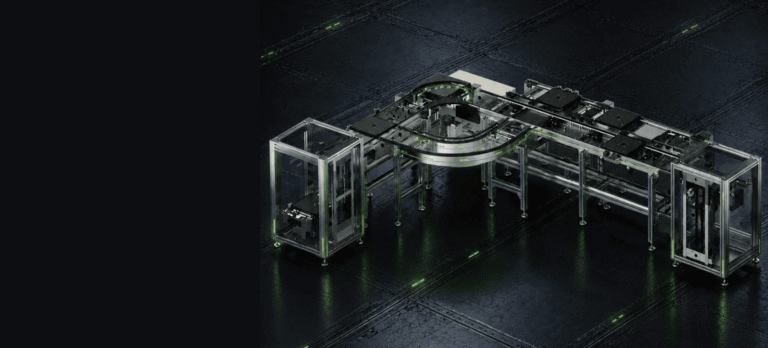











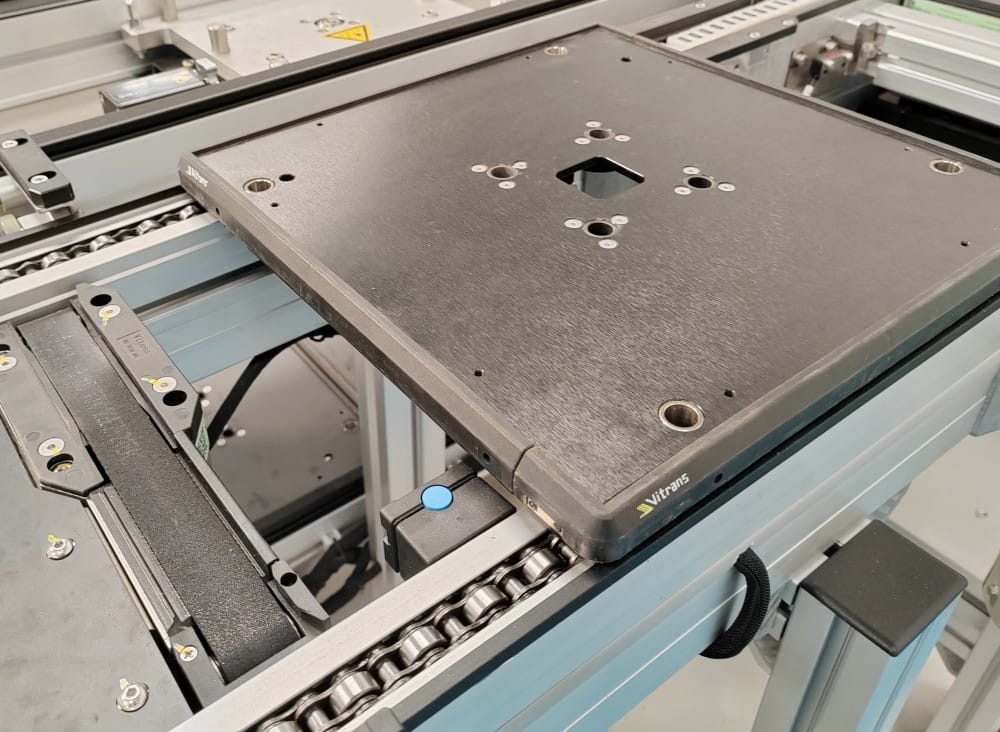
In the fast-paced world of manufacturing, efficiency is key, and the Sistema de transporte de paletes stands out as a technological marvel, reshaping the landscape of automated material handling. This innovative system brings forth a plethora of features and advantages, setting it apart from traditional conveyors and providing an unmatched solution for modern production facilities. The evolution of conveyor technology has led to the development of systems that not only enhance productivity but also optimize resource management in any manufacturing setup.
Importance of the Pallet Conveyor System: As businesses continue to adapt to market demands, the importance of a reliable material handling system cannot be overstated.
Understanding the Benefits of a Pallet Conveyor System: The integration of a pallet conveyor system in manufacturing operations provides numerous advantages, streamlining processes and enhancing productivity.
Key Features of a Pallet Conveyor System: Understanding the unique attributes of a pallet conveyor system enables manufacturers to make informed decisions regarding their material handling solutions.
As businesses continue to adapt to market demands, the importance of a reliable material handling system cannot be overstated. A pallet conveyor system offers not just a means to move goods but a comprehensive solution that aligns with the high standards of lean manufacturing. Companies that implement these systems often report significant increases in throughput and reductions in operational costs due to improved workflow.
1. Precision and Customization:
Tailored Designs: Pallet conveyors offer a level of precision and customization that traditional conveyors struggle to match. Manufacturers can choose from various designs, such as flat belts, Rolo chains, and plastic chains, tailoring the system to meet the specific needs of their production lines. For example, an automotive manufacturer may opt for roller chains to effectively handle heavy loads and dynamic movements, while a food processing plant may require flat belts for gentle product handling and hygienic transport.
Adaptable Handling: The system accommodates a diverse range of products, from trays and batteries to flat belts and beyond. Its adaptability ensures seamless integration into different industries, from automotive assembly lines to household product manufacturing. A notable example includes the healthcare industry, where pallet conveyors transport medical supplies in sterile environments, ensuring both efficiency and safety.
2. Automated Efficiency:
Smart Automation: Sistemas de transporte de paletes are at the forefront of automation, utilizing advanced technologies like Posicionamento da correia transportadora, motor control, and rotation. These automated features optimize material flow, reducing manual interventions and enhancing overall production efficiency. For instance, the integration of sensors within the system allows for real-time monitoring and tracking of products, ensuring that each item is accounted for at every stage of the manufacturing process.
Production Line Integration: Designed for assembly line efficiency, these systems facilitate smooth transitions between manufacturing stages. From automated tray handling to precise positioning, every aspect is meticulously engineered for a seamless production experience. Such integration not only boosts productivity but also minimizes downtime, as the system can quickly adapt to changes in production volumes and schedules.
3. Modular and Scalable Solutions:
Conceção modular: The modular nature of Transportador de paletes Systems allows for easy expansion and adaptation to evolving production needs. Manufacturers can scale their operations effortlessly by adding or modifying Transportador segments, ensuring a future-proof solution. This modular approach enables businesses to start with a basic configuration and expand it as their production demands grow, thus protecting their initial investment.
Otimização do espaço: With a compact and modular design, these conveyors optimize floor space utilization. The ability to navigate curves, handle different pallet types, and transport materials vertically makes them an ideal choice for confined spaces. In warehouse settings, this flexibility allows operators to maximize storage and reduce unnecessary movement, leading to more efficient operations.
4. Sustainable Material Handling:
Energy-Efficient Solutions: Pallet conveyors prioritize energy efficiency, contributing to cost savings and sustainable manufacturing practices. They incorporate advanced motor control and timing belt technologies to minimize energy consumption, which is particularly vital as companies aim to reduce their carbon footprint. This energy efficiency not only translates to lower operational costs but also aligns with global sustainability goals.
Environmentally Friendly Materials: Vitrans, as a leading manufacturer, focuses on sustainability by using recyclable materials in the construction of their transportador systems. This commitment to environmental responsibility ensures a reduced ecological impact. By utilizing sustainable practices in both manufacturing and material selection, companies can enhance their brand image while contributing to a cleaner environment.
In essence, the Pallet Sistema de transporte redefines automated material handling, offering a perfect blend of precision, automation, and sustainability. As the industry evolves, these systems emerge as the cornerstone for efficient and future-ready manufacturing processes, equipped to handle the challenges of tomorrow’s manufacturing landscape. Investing in a pallet conveyor system not only enhances operational efficiency but also positions companies as leaders in innovation and sustainability.