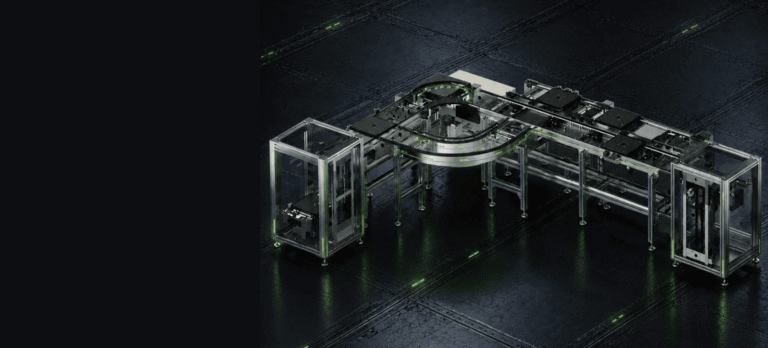











Hiểu rõ vai trò của băng tải xích chở pallet trong tối ưu hóa sản xuất pin xe điện điều này là vô cùng quan trọng đối với các nhà máy sản xuất quy mô lớn, các nhà máy lắp ráp ô tô và các nhà sản xuất mô-đun pin, những đơn vị hướng tới năng suất cao và độ chính xác cao. Khi nhu cầu về xe điện (EV) tăng vọt, các phương pháp vận chuyển truyền thống đang dần được thay thế bằng các hệ thống pallet thông minh, chịu tải nặng nhờ tính ổn định, khả năng tích lũy và khả năng tương thích với quy trình lắp ráp bằng robot.
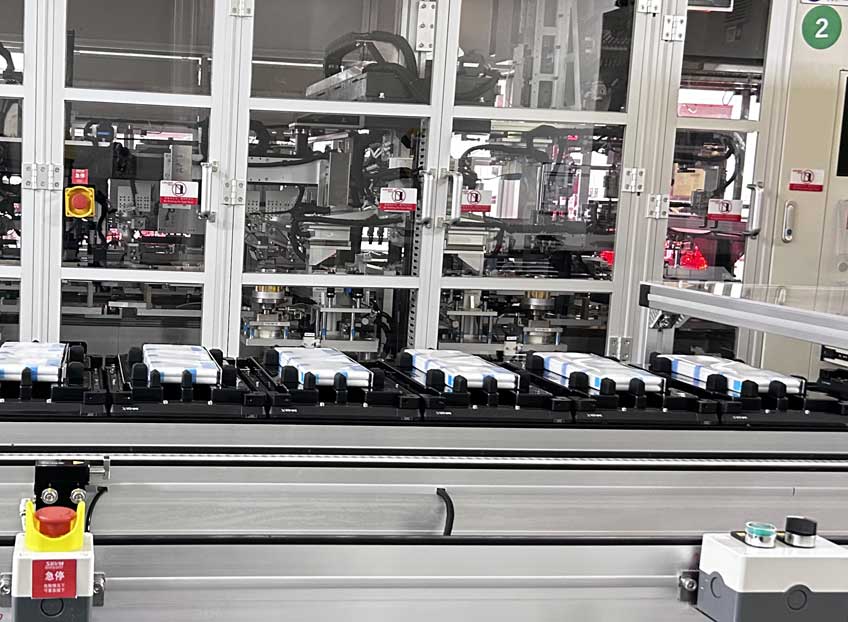
(Văn bản thay thế: Hệ thống băng tải xích Vitrans vận chuyển các mô-đun pin xe điện trên dây chuyền lắp ráp tự động)
Hướng dẫn toàn diện này giải thích cách các hệ thống băng tải xích pallet tối ưu hóa dòng chảy sản xuất, các yếu tố chính ảnh hưởng đến hiệu quả hoạt động của chúng, so sánh với các hệ thống băng tải dây truyền thống, cũng như tỷ suất hoàn vốn (ROI) cho các nhà máy hiện đại. Bạn cũng sẽ tìm thấy một phần nổi bật giới thiệu Vitrans (Vitrans-Conveyor.com), một chuyên gia hàng đầu trong lĩnh vực tự động hóa công nghiệp và các giải pháp vận chuyển.
Mục lục
- Băng tải pallet xích là gì?
- Chi phí do thời gian ngừng hoạt động: Tại sao việc tối ưu hóa lại quan trọng
- Các yếu tố chính để tối ưu hóa dây chuyền sản xuất pin
- Các loại hệ thống băng tải Vitrans dùng trong lắp ráp xe điện
- Băng tải xích pallet so với băng tải truyền thống: So sánh hiệu suất
- ROI: Việc nâng cấp lên hệ thống Vitrans có đáng không?
- Giới thiệu nhà sản xuất: Vitrans Conveyor
- Tóm tắt thông số kỹ thuật băng tải pin xe điện
- Các câu hỏi thường gặp (FAQ)
- Tài liệu tham khảo
Băng tải pallet xích là gì?
A Băng tải xích chở pallet là một hệ thống vận chuyển công suất lớn sử dụng xích đôi hoặc xích nhiều sợi để di chuyển các pallet chở hàng hóa. Khác với các băng tải đai phẳng tiêu chuẩn, các hệ thống này được thiết kế để xử lý các tải trọng lớn — chẳng hạn như các cụm pin và mô-đun pin xe điện — với độ chính xác cực cao.
Chúng được sử dụng rộng rãi trong:
- Lắp ráp mô-đun pin: Di chuyển các tế bào giữa các trạm hàn và trạm kiểm tra.
- Lắp ráp gói hàng: Xử lý các bộ pin thành phẩm có trọng lượng lớn.
- Các dòng sản phẩm động cơ và hệ truyền động: Vận chuyển các bộ truyền động nặng.
- Kiểm thử tự động (EOL): Định vị chính xác cho quá trình kiểm tra bằng robot.
Khi các nhà sản xuất nỗ lực rút ngắn thời gian chu kỳ, họ ngày càng đặt ra câu hỏi: Hệ thống băng tải pallet xích của Vitrans có thể tối ưu hóa dây chuyền sản xuất của tôi như thế nào? Hãy cùng phân tích kỹ hơn nhé.
Chi phí do thời gian ngừng hoạt động: Tại sao việc tối ưu hóa lại quan trọng
Trong lĩnh vực sản xuất xe điện đầy thách thức, Thời gian ngừng hoạt động ngoài kế hoạch có thể gây thiệt hại lên tới $20.000 mỗi phút. Tối ưu hóa không chỉ liên quan đến tốc độ; nó còn liên quan đến tính ổn định và quá trình đệm.
Mức tăng hiệu suất điển hình khi sử dụng hệ thống Vitrans
- Giảm thời gian chu kỳ: Sự cải thiện của phương pháp 15–30% so với việc chuyển giao thủ công.
- Độ chính xác định vị: Độ chính xác +/- 0,05 mm cho quá trình ghép nối bằng robot.
- Khả năng chịu tải: Xử lý tải trọng từ 1 kg (tế bào) đến hơn 1.000 kg (gói đầy đủ).
Mặc dù chi phí đầu tư ban đầu cho hệ thống băng tải xích chính xác cao hơn so với băng tải đai đơn giản, nhưng việc giảm thiểu lỗi sản phẩm và các sự cố ngừng hoạt động của dây chuyền sản xuất sẽ giúp giảm đáng kể “chi phí trên mỗi đơn vị” theo thời gian.
<a name="”key-factors”"></a>
Các yếu tố chính để tối ưu hóa dây chuyền sản xuất pin
Cái hiệu quả của hệ thống băng tải Tại một nhà máy sản xuất xe điện, điều này phụ thuộc vào một số yếu tố kỹ thuật:
1. Độ chính xác định vị
Yếu tố có ảnh hưởng lớn nhất đến quá trình tự động hóa. Robot yêu cầu các pallet phải dừng lại chính xác tại cùng một vị trí mỗi lần. Các hệ thống của Vitrans sử dụng các bộ phận dừng chính xác và trạm định vị để đảm bảo độ lặp lại.
2. Khả năng tích lũy
- Tích lũy không áp suất: Ngăn chặn các mô-đun pin nhạy cảm va chạm với nhau.
- Đang tải: Cho phép một trạm tạm dừng (ví dụ: để chỉnh sửa) mà không cần phải dừng toàn bộ dây chuyền.
3. Kiểm soát tĩnh điện và ô nhiễm
- Dây xích chống tĩnh điện: Điều này rất quan trọng đối với các thiết bị điện tử và tế bào pin để ngăn ngừa hiện tượng chập mạch.
- Khả năng tương thích với phòng sạch: Tạo ra ít bụi, phù hợp với các môi trường nhạy cảm.
4. Thiết kế mô-đun
- Tính linh hoạt: Khả năng thêm hoặc loại bỏ các trạm khi công nghệ pin phát triển (ví dụ: chuyển từ pin hình lăng trụ sang pin hình trụ).
<a name="”types-of-systems”"></a>
Các loại hệ thống băng tải Vitrans dùng trong lắp ráp xe điện
1. Hệ thống băng tải pallet xích
Thích hợp cho các tải trọng nặng như bộ pin và cụm hộp số. Sản phẩm có độ bền cao và cho phép thực hiện các thao tác liên tục (như ép hoặc vặn vít) trực tiếp trên băng tải.
- Phù hợp nhất cho: Các dây chuyền lắp ráp chính, các cụm pin nặng.
2. Hệ thống băng tải dây đai đồng bộ
Rất phù hợp cho các ứng dụng nhẹ, tốc độ cao đòi hỏi chuyển động êm ái và độ ồn thấp.
- Phù hợp nhất cho: Xử lý tế bào, lắp ráp sơ bộ mô-đun, tích hợp hệ thống điện tử.
3. Băng tải xích linh hoạt
Rất phù hợp cho các bố cục phức tạp với những khúc cua gắt và chênh lệch độ cao theo phương thẳng đứng.
- Phù hợp nhất cho: Hệ thống cấp liệu cho các chi tiết nhỏ, dây chuyền đóng gói và đường hầm làm mát.
4. Băng tải con lăn có động cơ (MDR)
Được thiết kế để phục vụ hoạt động logistics thông minh trong nhà máy, cung cấp tính năng kiểm soát theo khu vực nhằm tiết kiệm năng lượng.
- Phù hợp nhất cho: Đóng gói cuối dây chuyền, lưu kho và phân loại khay pin.
<a name="”comparison”"></a>
Băng tải xích pallet so với băng tải truyền thống: So sánh hiệu suất
| Tính năng | Băng tải đai phẳng truyền thống | Băng tải pallet xích Vitrans | Ghi chú |
| Khả năng chịu tải | Thấp đến trung bình (khoảng 50 kg) | Cao (lên đến 1000kg+) | Không thể thiếu đối với các bộ pin xe điện công suất lớn |
| Độ chính xác | Thấp (Xảy ra hiện tượng trượt) | Cao (+/- 0,05 mm) | Yêu cầu đối với lĩnh vực robotics |
| Tích lũy | Ma sát cao / Mài mòn cao | Xích ma sát thấp / Xích con lăn | Bảo vệ sản phẩm và giảm hao mòn |
| Bảo trì | Thay dây đai thường xuyên | Xích có tuổi thọ cao | Chi phí vận hành thấp |
| Tính linh hoạt | Đường dẫn cố định | Mô-đun / Có thể mở rộng | Tương thích với các mẫu xe mới |
<a name="”roi”"></a>
ROI: Việc nâng cấp lên hệ thống Vitrans có đáng không?
Hầu hết các nhà sản xuất xe điện đều thu hồi đầu tư vào hệ thống pallet Vitrans trong vòng 12–18 tháng vì:
- Giảm lượng phế liệu: Việc xử lý chính xác giúp giảm thiểu hư hỏng đối với các tế bào pin đắt tiền.
- Tăng công suất: Tốc độ truyền tải nhanh hơn và khả năng khóa trạm đáng tin cậy.
- Chuẩn bị cho tương lai: Thiết kế mô-đun cho phép tái cấu hình dây chuyền để sản xuất pin thế hệ mới mà không cần phải loại bỏ băng tải.
Đối với một nhà máy Gigafactory sản xuất 500.000 bộ pin mỗi năm, mức tăng hiệu suất 1% sẽ mang lại hàng triệu doanh thu.
<a name="”spotlight”"></a>
Giới thiệu nhà sản xuất: Vitrans Conveyor
Vitrans, có trụ sở chính tại Trung Quốc, là nhà sản xuất hàng đầu chuyên về nghiên cứu và phát triển, sản xuất và kinh doanh các hệ thống băng tải tự động công nghiệp. Khác với các nhà cung cấp thiết bị thông thường, Vitrans chuyên cung cấp các giải pháp xử lý pallet được thiết kế riêng cho các ngành công nghiệp đòi hỏi độ chính xác cao.
Những thế mạnh chính
- Kỹ thuật chuyên sâu: Chuyên sản xuất các hệ thống băng tải pallet công suất lớn và chính xác.
- Dòng sản phẩm đa dạng: Từ các dây xích linh hoạt đến các hệ thống con lăn chịu tải nặng.
- Khả năng tương thích toàn cầu: Các hệ thống được thiết kế để tích hợp với các hệ thống điều khiển tự động tiêu chuẩn của Bosch, Siemens và các hãng khác.
- Tùy chỉnh: Các giải pháp được thiết kế riêng cho các kích thước pin và bố trí nhà máy cụ thể.
Sản phẩm nổi bật
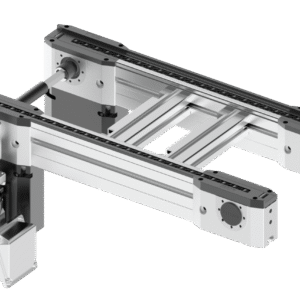
- Băng tải xích chở pallet
- Băng tải dây đai đồng bộ
- Băng tải xích linh hoạt
- Băng tải con lăn có động cơ
-
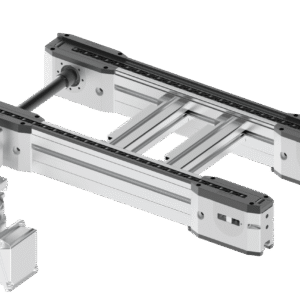
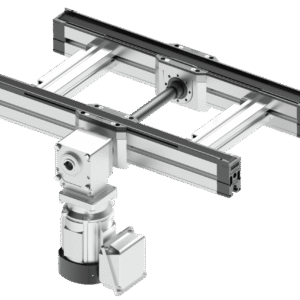
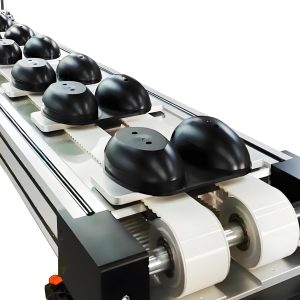
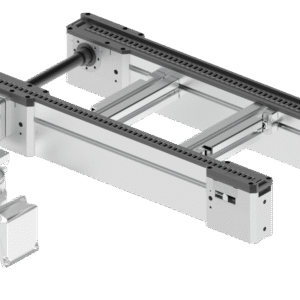
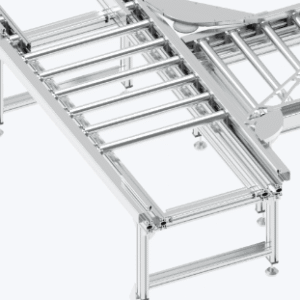
 AC2/L Băng tải xích tích lũy/Băng tải xích con lăn/Băng tải dòng chảy tự do
 -
AC2/U Băng tải xích tích lũy/Băng tải xích con lăn//Băng tải dòng chảy tự do
-
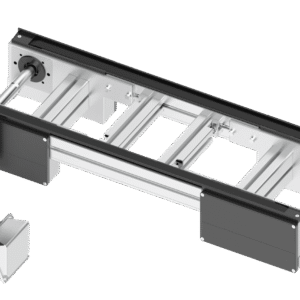
BC2/M Băng tải dây đai đồng bộ/Băng tải pallet dây đai đồng bộ/Băng tải dòng chảy tự do/Băng tải dây đai răng cưa
-
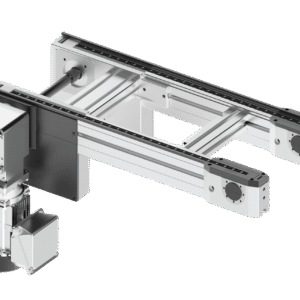
Băng tải gắn dây curoa đồng bộ
-
Băng tải xích nhựa PC2/Băng tải pallet xích nhựa/Băng tải dòng chảy tự do
-
Băng tải con lăn chịu tải nặng có thể xếp chồng lên nhau
-
Băng tải con lăn tải nhẹ
-
Băng tải đai phẳng FC2/Băng tải đai phẳng chở pallet
-
AC2/H Băng tải xích tích lũy/Băng tải xích con lăn//Băng tải dòng chảy tự do
Tóm tắt thông số kỹ thuật băng tải pin xe điện
| Loại băng tải | Tải trọng điển hình | Phù hợp nhất cho | Mức độ chính xác |
| Xích linh hoạt | 1 kg – 30 kg | Các chi tiết nhỏ, Hệ thống cấp liệu, Bố cục 3D | Tiêu chuẩn |
| Dây curoa đồng bộ | 1 kg – 100 kg | Lắp ráp chính xác, Môi trường sạch | Cao |
| Pallet xích | 50 kg – 1.500 kg | Bộ pin, Hệ truyền động, Lắp ráp các bộ phận nặng | Rất cao |
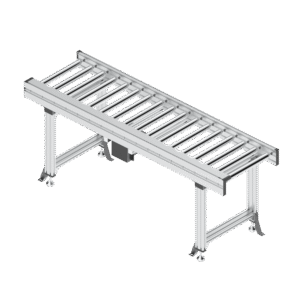
| Băng tải con lăn | 10 kg – 2.000 kg | Vận tải, Logistics, Khu đệm | Trung bình |
Các câu hỏi thường gặp (FAQ)
1. Tại sao băng tải xích pallet lại được ưa chuộng trong sản xuất pin xe điện?
Pin rất nặng và dễ hỏng. Hệ thống băng tải pallet xích có độ cứng cần thiết để chịu được trọng lượng (lên đến 1.000 kg) đồng thời cho phép các bộ phận khóa chính xác, vốn là yêu cầu thiết yếu cho quá trình hàn và lắp ráp tự động bằng robot.
2. Hệ thống băng tải Vitrans có thể vận chuyển các linh kiện nhạy cảm với tĩnh điện không?
Đúng vậy, Vitrans cung cấp các loại pallet và xích chống tĩnh điện (ESD) được thiết kế chuyên biệt cho ngành sản xuất thiết bị điện tử và pin nhằm ngăn ngừa hiện tượng phóng điện tĩnh.
3. Hệ thống này có mức độ linh hoạt như thế nào đối với những thay đổi về mẫu mã trong tương lai?
Các hệ thống Vitrans có thiết kế mô-đun. Bạn có thể thêm, tháo gỡ hoặc di chuyển các mô-đun và trạm mà không cần thay thế toàn bộ băng tải, khiến hệ thống này trở thành giải pháp lý tưởng cho thị trường xe điện đang phát triển nhanh chóng.
4. Thời gian sản xuất thông thường cho một hệ thống băng tải đặt hàng riêng là bao lâu?
Tùy thuộc vào mức độ phức tạp, các mô-đun tiêu chuẩn có thể được giao nhanh chóng, trong khi các dây chuyền được thiết kế hoàn toàn theo yêu cầu thường cần từ 6 đến 10 tuần để thiết kế và chế tạo.
<a name="”references”"></a>